Cyprus: Buy the Life, Secure the Title
Fall for Cyprus’s terraces and tavernas — but pair that life with title-deed checks, DLS searches and tax advice to protect your investment and day-to-day living.
 Ashworth & Drake
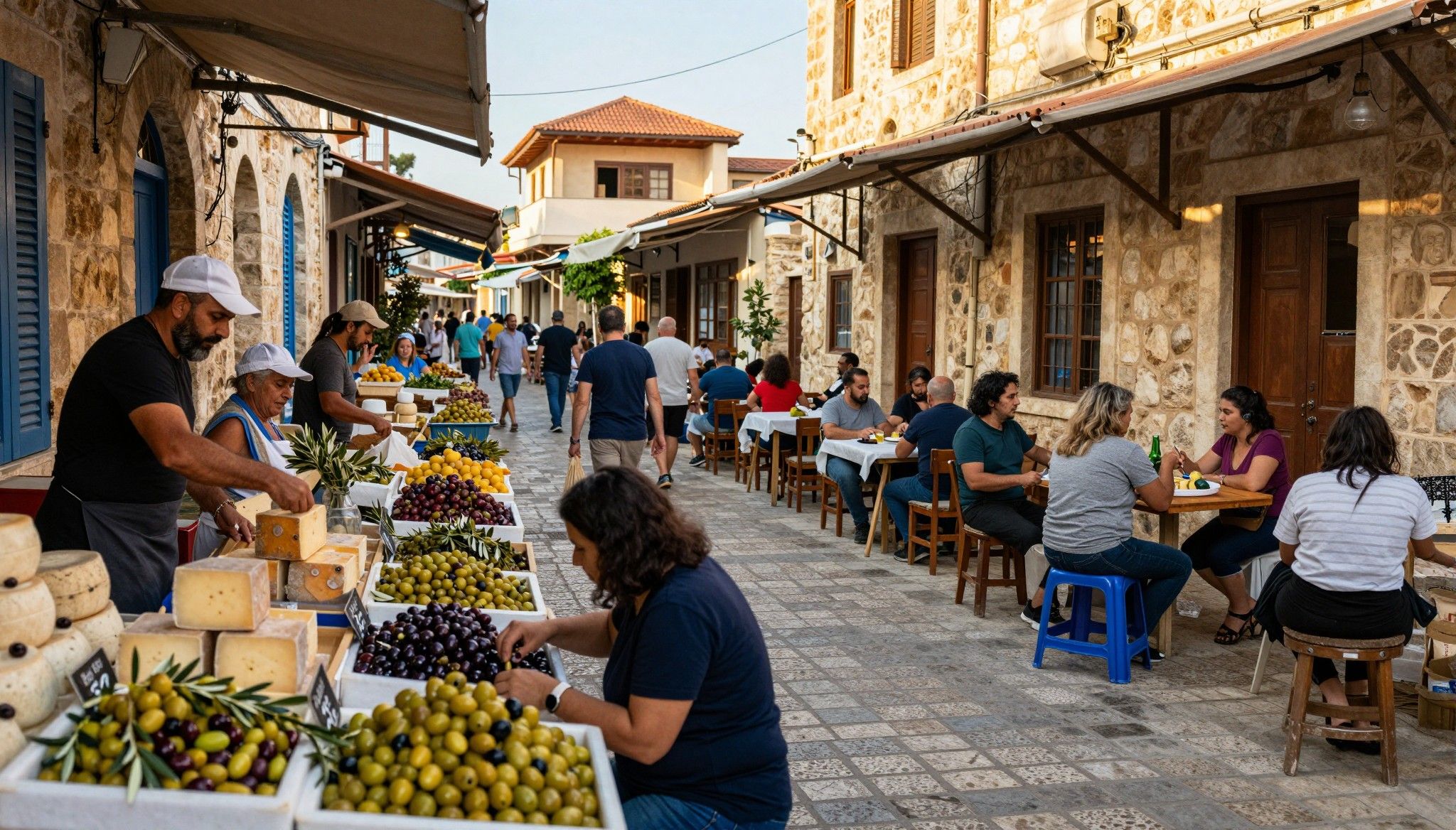
Imagine waking up to a narrow Larnaca lane where an Orthodox priest’s bell threads through the smell of freshly baked halloumi, then walking ten minutes to a sea-facing cafe where developers, retirees and remote workers all bring different rhythms to the same table. Cyprus trades on that mix: old-village calm and marina nights in Limassol; olive groves and mountain air in Troodos. But the paperwork — title deeds, transfer fees, residency rules — is where the dream meets the ledger. We’ll start with the life you’re buying, then show the legal map so you can make choices that match both mood and risk.
Living the Cyprus Life
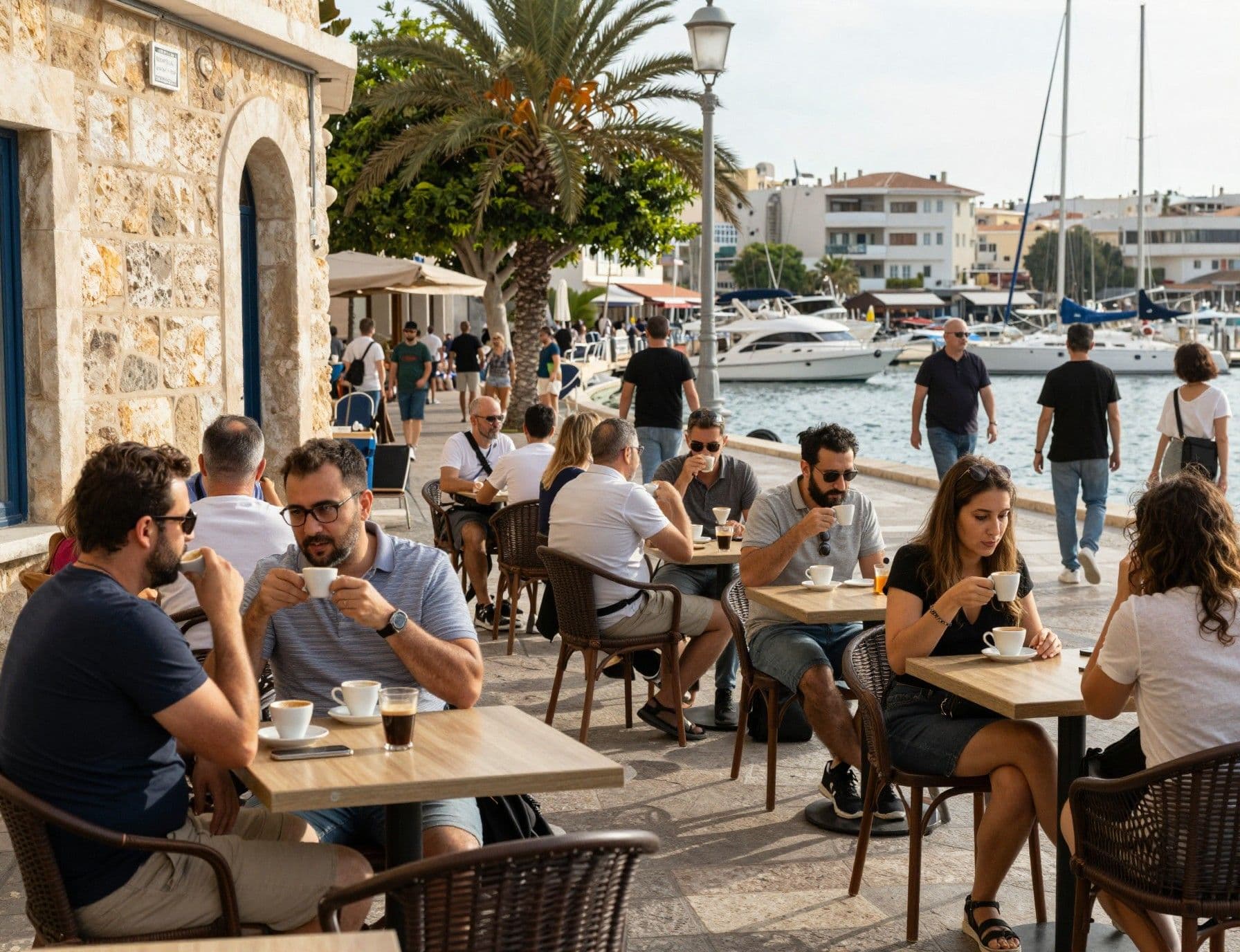
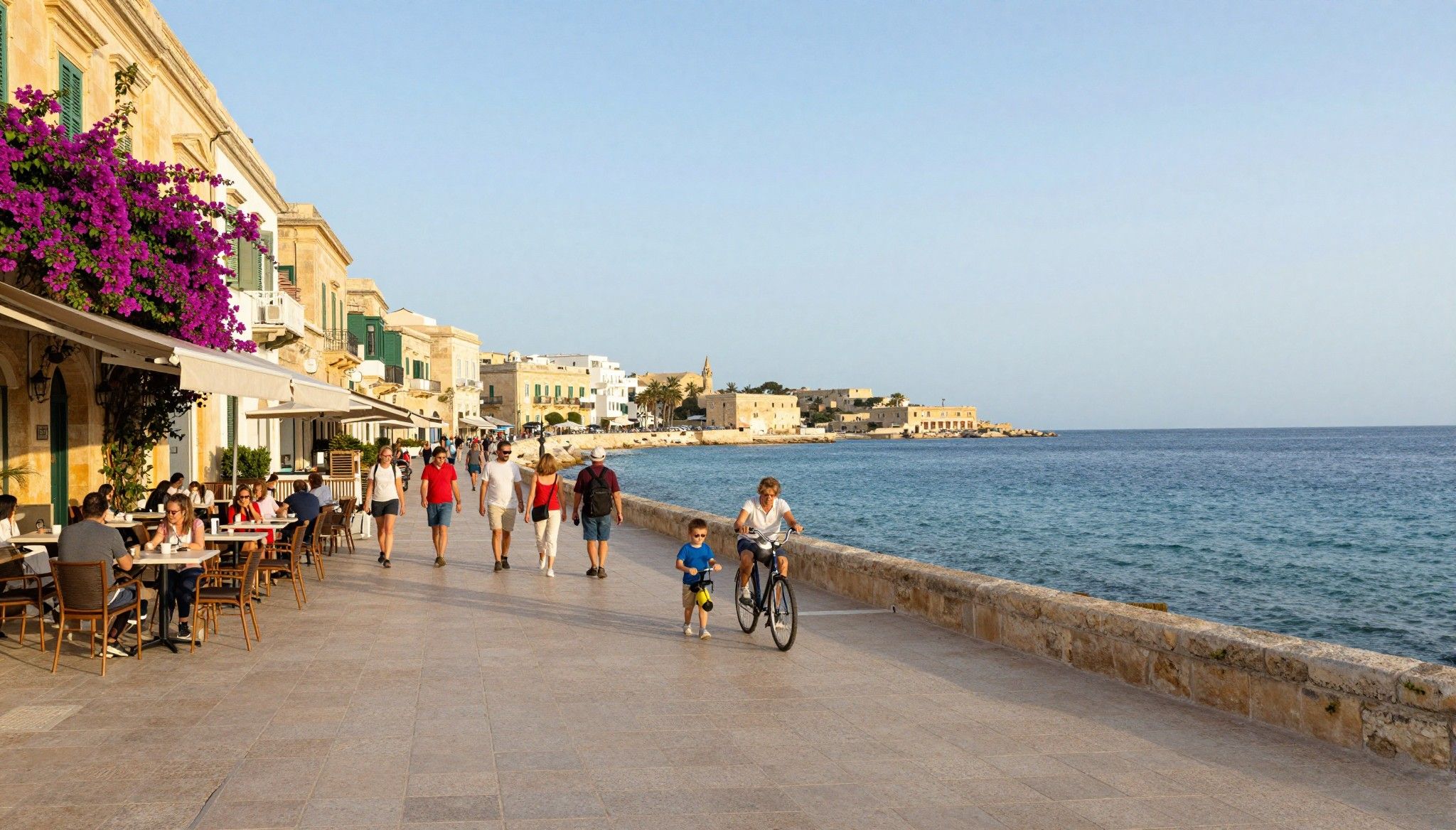
The day-to-day in Cyprus is stitched from outdoors: coffee at 9, siesta-light pauses, sunset swims and late tavernas that feel like family reunions even when you’re new. Coastal towns bend toward the sea — Limassol’s marina has a cosmopolitan pulse, Paphos leans into archaeology and quiet squares, while Ayia Napa’s summer mood is seasonal and intense. These rhythms affect property choices: terraces matter more than an extra bedroom; shaded courtyards beat a formal garden when summer is long. Real estate trends reflect that lifestyle push — the Central Bank’s RPPI shows continuing price movement, but with recent deceleration that buyers should respect.
Limassol & the Marina: Nightlife and Portside Practicality
Limassol’s seafront is where commercial energy meets weekend leisure. Walk the Old Port in the morning and you’ll pass seafood shops prepping for dinner, then see co-working crowds at lunchtime and yachts at sunset. Expect modern apartments with concierge services near the marina, and older houses in Agios Nikolaos that trade space for character. If you want a social calendar and rental demand, Limassol is an obvious pick — but remember higher entry prices and more due diligence on titles in older blocks.
Paphos & Village Life: Quiet, Weathered, Authentic
Paphos is a collage of ruined mosaics, sea-swept promenades and villages where morning markets still set the pace. In places like Konia and Chloraka you buy views, old-stone texture, and neighbors who know each other by name. The lifestyle payoff is calm and authenticity, and the property trade-off is often renovation work and checks on historic title chains. For buyers wanting a slower life, sites with clear Department of Lands and Surveys records are non-negotiable.
- Lifestyle highlights worth chasing:
- Morning espresso on Limassol’s Molos promenade; sunset swims at Governor’s Beach; weekends at Pissouri Village Festival; olives and wine tasting in the Troodos foothills; farmers’ markets in Nicosia for fresh halloumi and herbs.
Making the Move: Practical Considerations
The good news: Cyprus’s land registry system is formal and nation-wide, and the Department of Lands and Surveys holds the title deeds you’ll need. The less-glamorous truth: titles can be complex — mortgages, old partitions, or unregistered alterations appear, and older sales sometimes require extra searches. Start with a local lawyer who reads deeds fluently and asks the right questions; it’s an expense that protects both lifestyle and capital. Official guidance from the DLS explains what documents are required and the steps to registration.
Property styles and what they mean for living
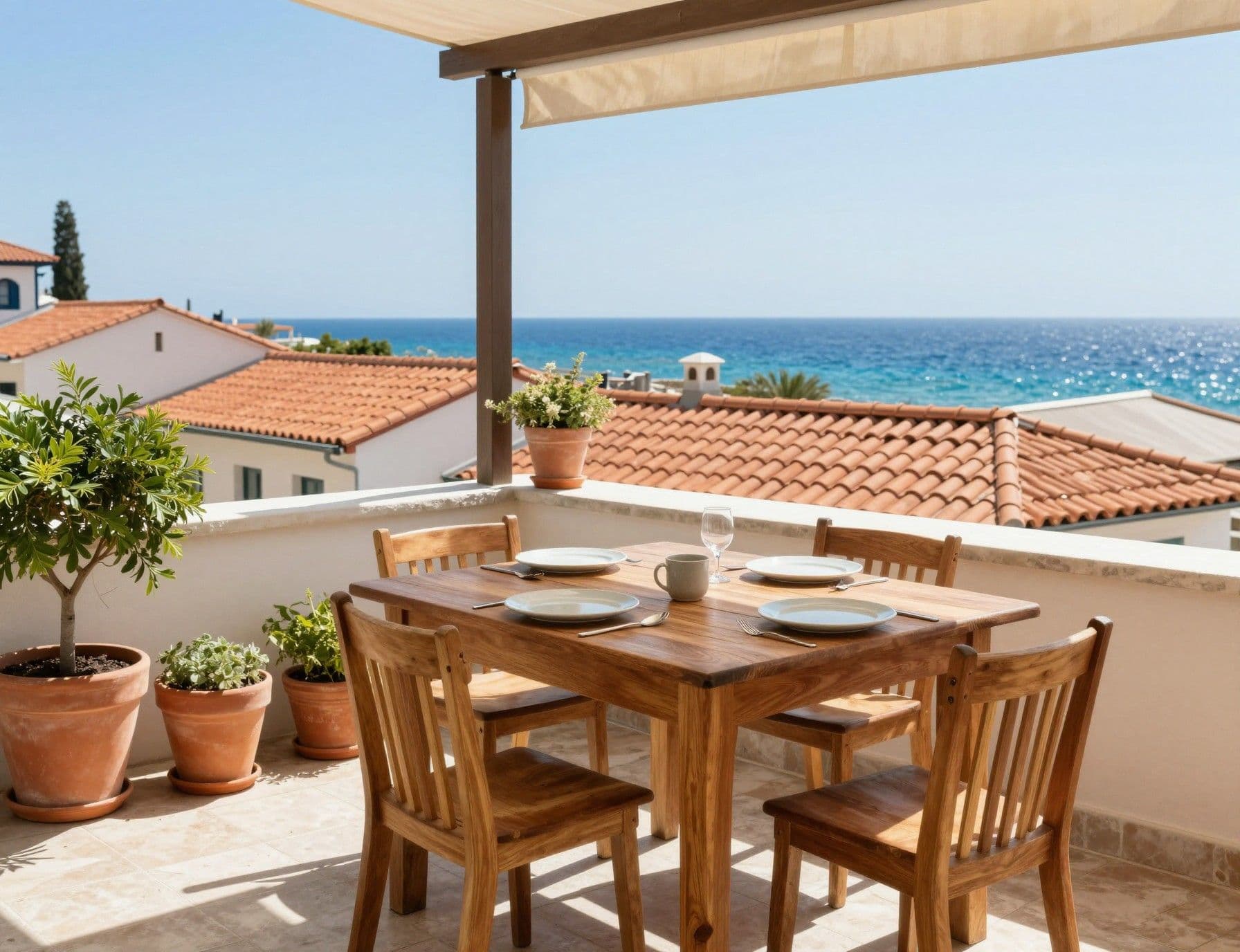
New builds along the coast give you modern finishes, pools and management — ideal for rental income or low-maintenance living. Traditional village houses deliver terra-cotta roofs, courtyards and the possibility (and cost) of renovation. If you crave indoor–outdoor life, prioritize properties with covered terraces and shade structures; they’re the everyday luxury in summer. PwC’s market reports highlight a mixed picture: luxury segment softness but steady mid-market demand, which helps buyers who are flexible on type and location.
Working with local experts who know both life and law
A good agent in Cyprus is part concierge, part translator, part legal partner. We look for firms that work with independent English‑speaking lawyers, confirm DLS status before any deposit, and have a track record of settling post-sale issues. Ask agencies for recent examples where they resolved title or planning surprises. That evidence of problem-solving is more valuable than glossy brochures.
- Practical-to-lifestyle checklist for viewings and offers:
- 1) Inspect the title deed and confirmed plot plan with your lawyer. 2) Check recent RPPI or local price reports to set an offer that reflects cooling momentum. 3) Confirm VAT status on new builds — it affects cost and tax treatment. 4) Test the terrace at midday for shade and breeze; if you can’t sit there, it won’t feel livable in summer. 5) Ask the agent for comparable rentals nearby if you plan to let it.
Insider Knowledge: What Expats Wish They’d Known
Expats often say the surprise wasn’t the heat or the coffee but the small legal details that shape everyday life: municipal rubbish schedules, deed covenants that restrict rentals, or GESY healthcare contributions tied to residency. On taxes, Cyprus remains attractive — transfer fees follow a stepped schedule and VAT applies to new builds, while annual property taxes were abolished in 2017. But rental income, capital gains and residency tax status bring nuance, and experienced expats recommend early conversations with a tax adviser to avoid unpleasant surprises in year two or three.
Cultural integration and everyday social rules
Cypriots are warm but formal in certain settings — knock before visiting, embrace small talk at the bakery, and expect weekends to be family‑centred. Learning a few Greek phrases opens doors; English is widely spoken, especially in business and coastal towns, but language signals effort and respect. Community life often happens through local church events, village coffee shops, and tavernas — participate and you’ll find help with tradespeople, gardeners and local networks that make property ownership easier.
Long-term considerations: renovation, resale and inheritance
Renovation in Cyprus can increase both comfort and value, but check planning permissions first — unauthorized changes can complicate resale. For inheritance, Cyprus law interacts with testaments and local probate; international buyers should put an estate plan in place that respects both Cypriot rules and their home jurisdiction. Finally, plan for three clear transition moments: purchase (title, transfer fees), residency/tax registration, and eventual resale — each needs local advice and clear records.
Conclusion: buy the life, secure the file, and live well
Cyprus sells a life — terraces, seaside evenings, village markets — and that life is real if you pair it with rigorous local checks. Start your search by tasting the neighborhood at all hours, hire a lawyer who reads deeds before you sign, and choose an agency that can show resolved title examples. When you balance sensory choices with paperwork, you get both the life you imagined and ownership that lasts.
Ashworth & DrakeBritish expat who relocated to Marbella in 2012. Specializes in rigorous due diligence and cross-border investment strategies for UK and international buyers.
Related Articles
More insights that might interest you
 Villa Curated
 Villa Curated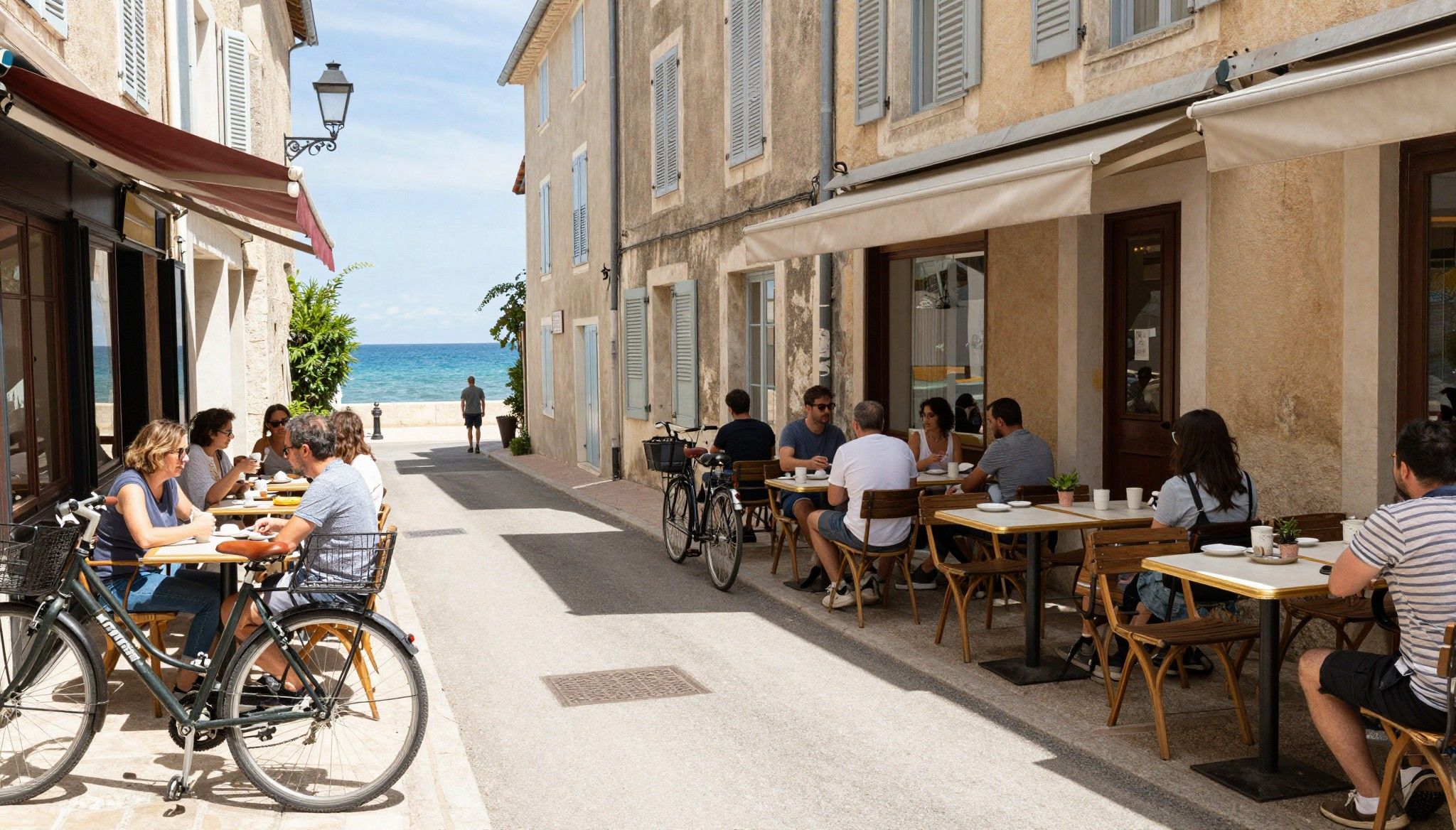
 The Yieldist

