Italy: Neighbourhood Life, Not Price, That Predicts Value
Italy’s charm often misleads buyers; choose neighbourhoods by lived rhythms—markets, cafes, craft networks—and validate with ISTAT and Bank of Italy data.
 Villa Curated
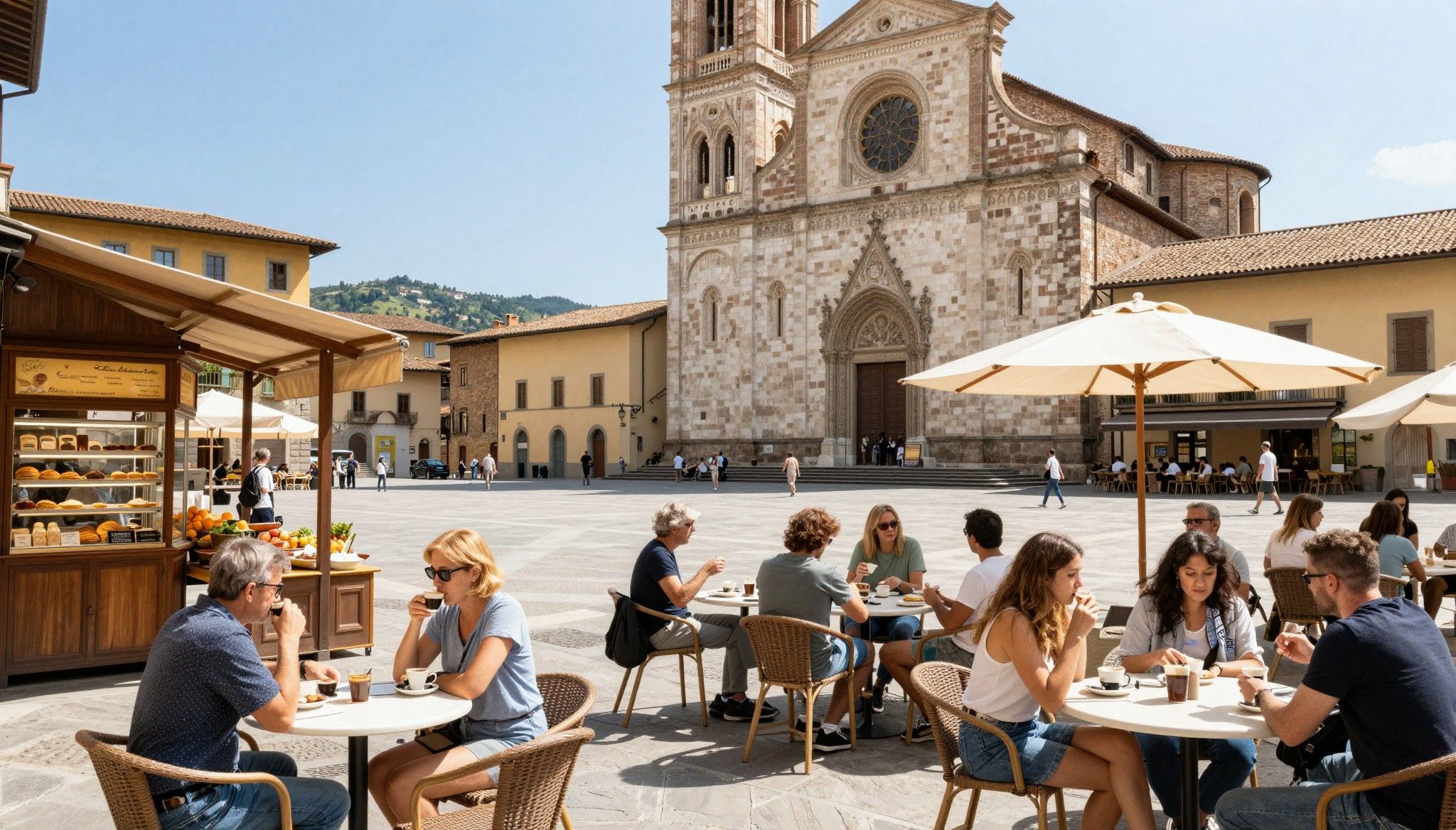
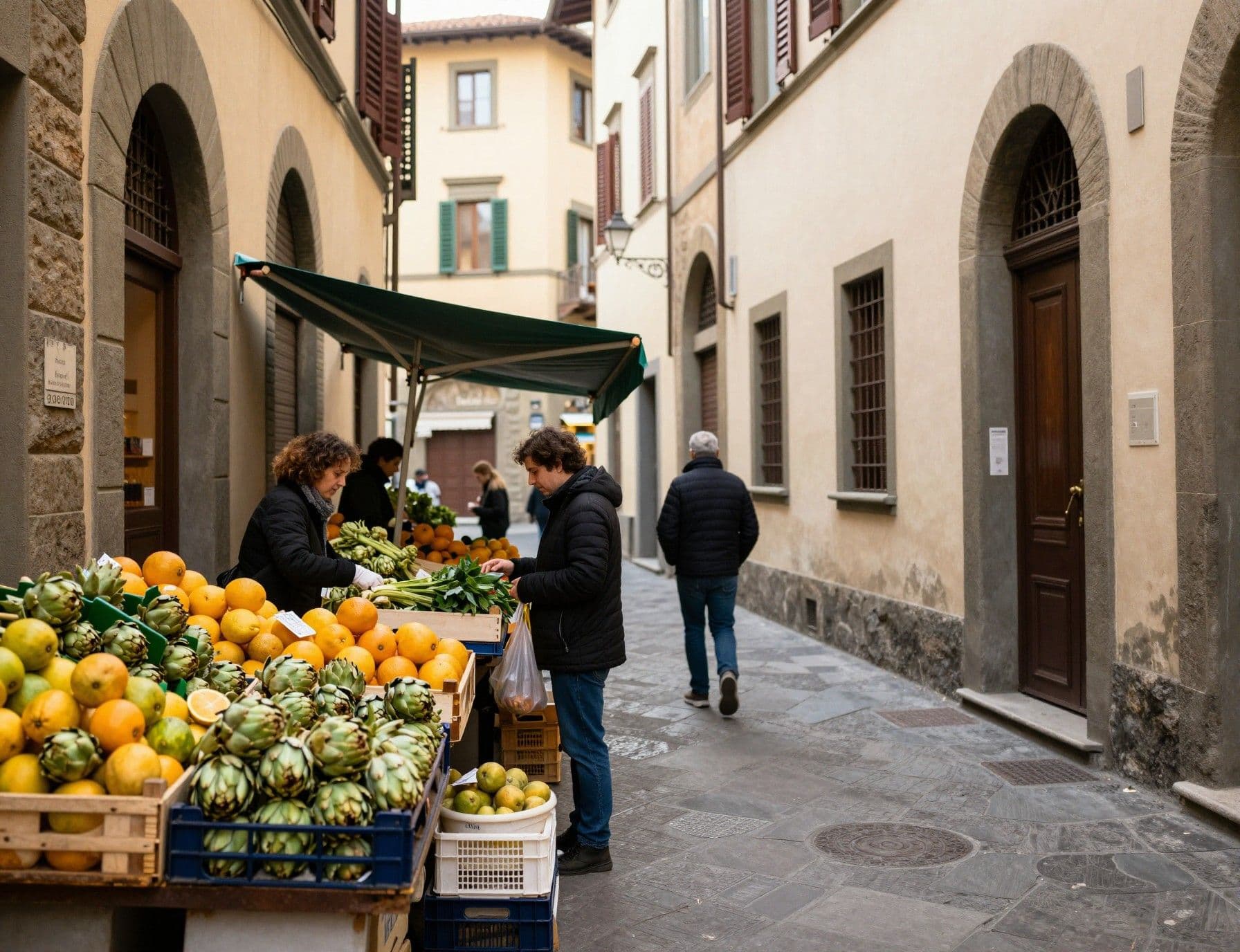
Imagine arriving in an early‑morning piazza: a barista shapes crema into a steady stream of espresso, a produce cart unfolds fragrant citrus and artichokes, and a stone‑paved street hums with effortless routine. This is Italy — not a single mood but a tessellation of neighbourhoods where daily life is lived publicly, slowly and with attention. For buyers who seek more than a view — those who prize craftsmanship, provenance and rhythms of place — understanding which districts actually support that life matters as much as price per square metre.
Living the Italy lifestyle
Italy’s everyday choreography is spatial: mornings in cafés, long lunches in neighbourhood trattorie, late afternoons on shaded passeggiatas. In cities like Milan the rhythm is metropolitan and design‑minded; in Florence the past remains present in every cornice; along the Amalfi Coast life is oriented to light, sea and outdoor rooms. Each place asks different things of a home: airtight windows and heating in the north, thick stone walls and shutters in the south, terraces and loggias where outdoor living is essential.
Where locals actually live: specific neighbourhoods
Look beyond tourist cores and you find the blocks that sustain a true life: San Frediano in Florence with its artisan workshops and the Mercato Centrale at its foot; Navigli in Milan where aperitivo culture spills from canal‑side bars into renovated lofts; and Salento’s small towns — Lecce’s Baroque streets and nearby coastal villages — where community ties shape Saturday markets and school runs. These are places where neighbours know one another, where a grocer remembers your preferences, and where a house becomes part of civic life.
Food, markets and the seasonal clock
Seasonality governs rhythm. Spring and autumn are for market shopping and vineyard visits in Tuscany; July and August mean quieter towns as many Italians take holidays, altering neighbourhood energy and rental demand. Knowing the seasonal pulse helps you choose an area that matches your intent: a lively summer town is rewarding for short stays and rentals, whereas an equally beautiful inland hamlet offers steadier year‑round community life.
- Lifestyle highlights to seek in Italian neighbourhoods
- Morning coffee at a corner bar that remembers your order — look for piazzas with regular foot traffic and independent cafés.
- Weekly produce market within walking distance — a sign of genuine local life and food culture.
- A neighbourhood bottega or artisan studio — indicates durable local economies and craft traditions.
Making the move: practical considerations
Translating lifestyle into a property brief requires tempering romance with evidence. National statistics and central‑bank surveys show modest but uneven price increases across regions; growth concentrated in northern cities and luxury coastal pockets, while many inland towns remain comparatively affordable. Use these data to form realistic expectations about value retention and rental potential rather than relying on reputation alone.
Property types and what they deliver
A restored palazzo pied‑à‑terre in a historic centre offers immediate atmosphere and resales that appeal to collectors, but often lacks outdoor space. A country villa in Umbria or Le Marche provides gardens and privacy but demands maintenance and strong local contacts. New‑build apartments near transport hubs are sensible for part‑time residents who want low maintenance and steady tenant interest. Each typology answers a lifestyle question — choose the one that matches daily life more than perceived prestige.
How local experts close the gap between dream and deed
A neighbourhood‑savvy agent does more than show properties: they introduce you to local artisans, help validate renovation provenance, and advise on micro‑factors such as noise at evening hours, ownership patterns on the street, and the likely longevity of a view. For buyers keen on authentic restoration and provenance, select advisers with demonstrated experience in heritage projects and municipal permitting.
- Steps to translate lifestyle priorities into an actionable search
- List three non‑negotiables (e.g., garden, proximity to market, period details) and have your agent pre‑filter viewings accordingly.
- Spend a full week living in target neighbourhoods across seasons — mornings, evenings and a weekend — before committing.
- Commission a local surveyor experienced in the region’s construction traditions (masonry, truss roofs, stone foundations).
- Confirm municipal zoning and heritage constraints early; restoration budgets are typically underestimated by 20–40% without local counsel.
Insider knowledge: what expats wish they'd known
The most useful lessons are small and specific: which trattoria does the neighbourhood rely on in winter; where the seasonal market relocates in August; whether buses still run after 8pm. These lived details affect everyday satisfaction far more than headline price movements. Experienced buyers listen first to neighbours and local shopkeepers, then to market reports.
Language, social codes and daily integration
Basic Italian unlocks trust. Simple gestures — learning a butcher's name, attending the parish festa, arriving early at market — open doors. In many towns civic life still orbits local institutions: the school, the church, the football club. Being a present neighbour, even part‑time, buys goodwill that protects property value and eases renovations and permits.
Longer‑term stewardship and generational plans
Think in decades. Properties with documented restorations, original features conserved and clear title histories perform better for collectors and families. If you imagine passing the house on, prioritise durable materials and local craftsmen who work in traditional techniques; this preserves provenance and mitigates later costs.
Data points to remember: national indices reported modest house‑price growth in 2024 with regional dispersion (ISTAT and Bank of Italy). For lifestyle buyers this means: pick neighbourhood fundamentals first, then validate upside with local market data; do not assume a famous name guarantees long‑term outperformance. If rental income matters, urban centres with transport links remain the most liquid markets.
Conclusion: live first, invest with restraint. Choose a neighbourhood you can imagine inhabiting on ordinary days — buying a place that fits how you will actually use it reduces regret and increases stewardship. When you are ready, an agent versed in local craft networks, heritage permitting and seasonal market cycles will convert affection into a prudent purchase.
Villa CuratedNorwegian with years in Florence guiding clients across borders. I bridge Oslo and Tuscany, focusing on legal navigation, cultural context, and enduring craftsmanship.
Related Articles
More insights that might interest you
 The Yieldist
 MoveSettleGo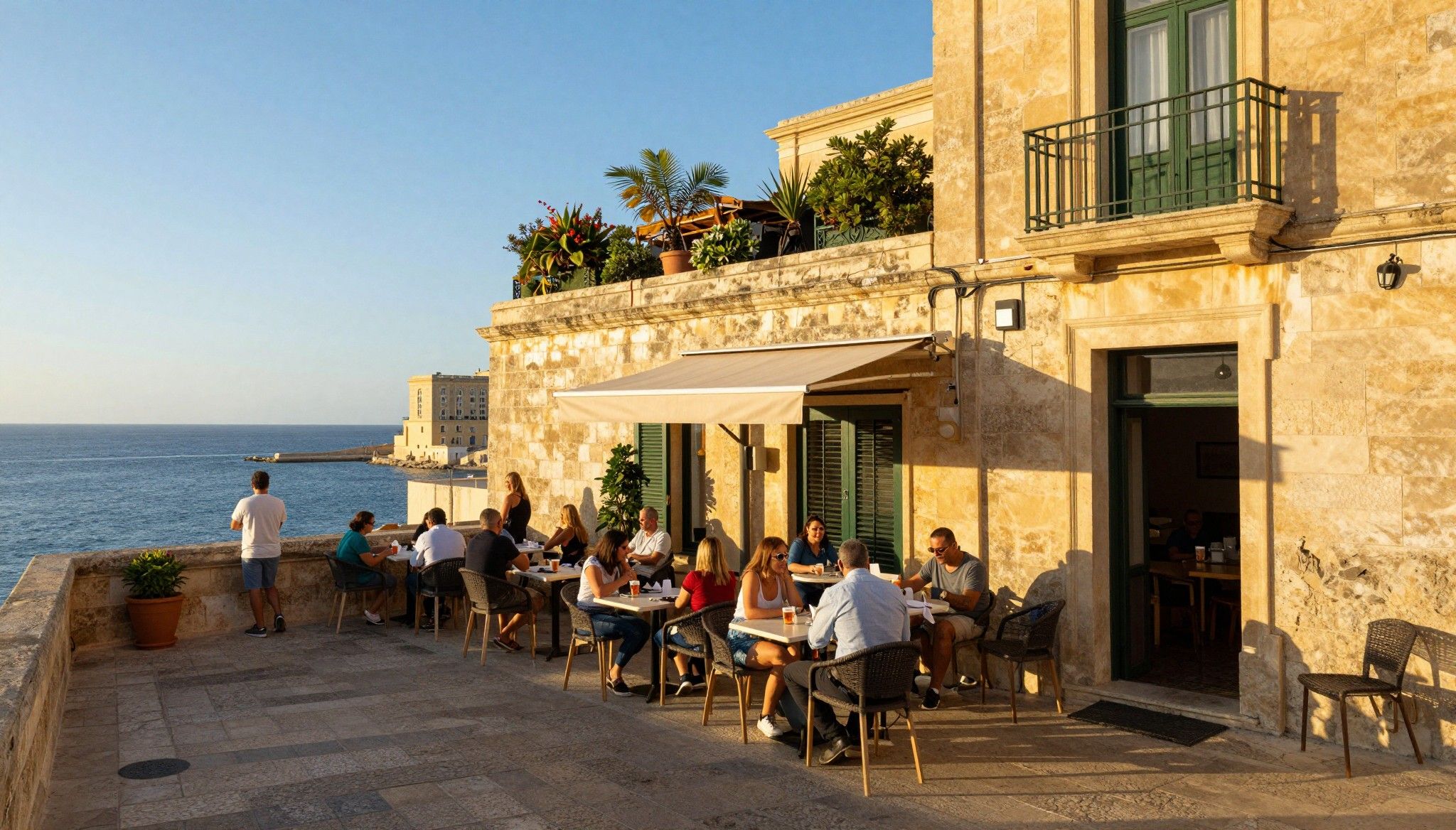
 Moss & Hearth
