Cyprus Market Scenarios: Coast, Village or Stabilised Growth?
Imagine Cyprus as three market scenarios—coastal acceleration, village revival, or stabilised growth—and learn how lifestyle choices map to data-driven property strategies.
 Blueprintera
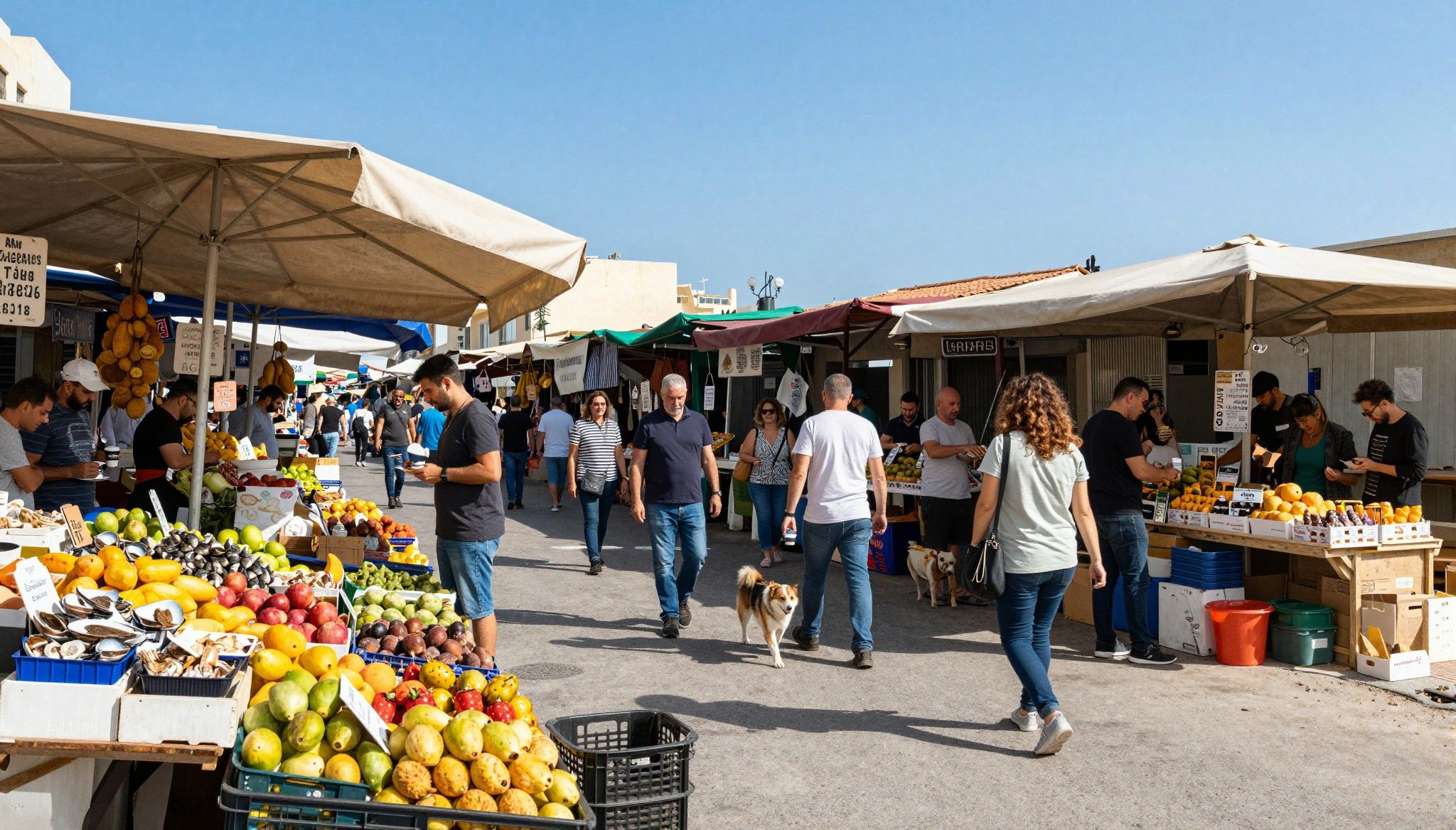
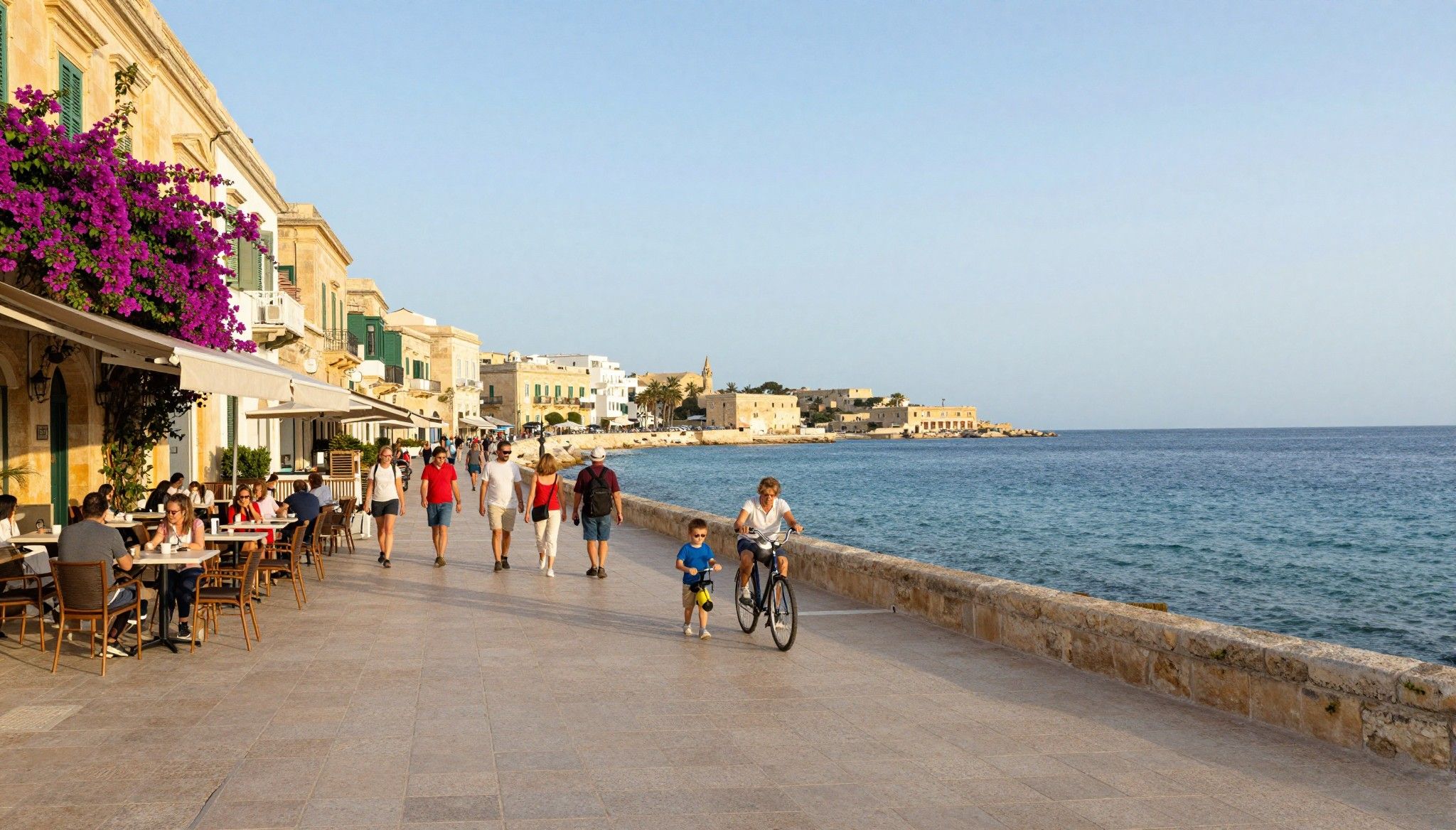
Imagine waking to espresso on a taverna-lined lane in Limassol, afternoons on a quieter Paphos beach and weekends hunting souvlaki at Larnaca’s market. Cyprus feels like an extended Mediterranean summer — sunlit streets, neighbourhood cafés, and a calendar of festivals — but the island’s property market is not a single mood. Different coasts, towns and development types are already heading in distinct directions. For international buyers, the question isn’t whether Cyprus is charming (it is) but which scenario — steady growth, coastal acceleration, or village renaissance — best matches your life plan and risk tolerance. See the Central Bank’s recent RPPI reports for validated price trends.
Living the Cyprus life: more than postcards
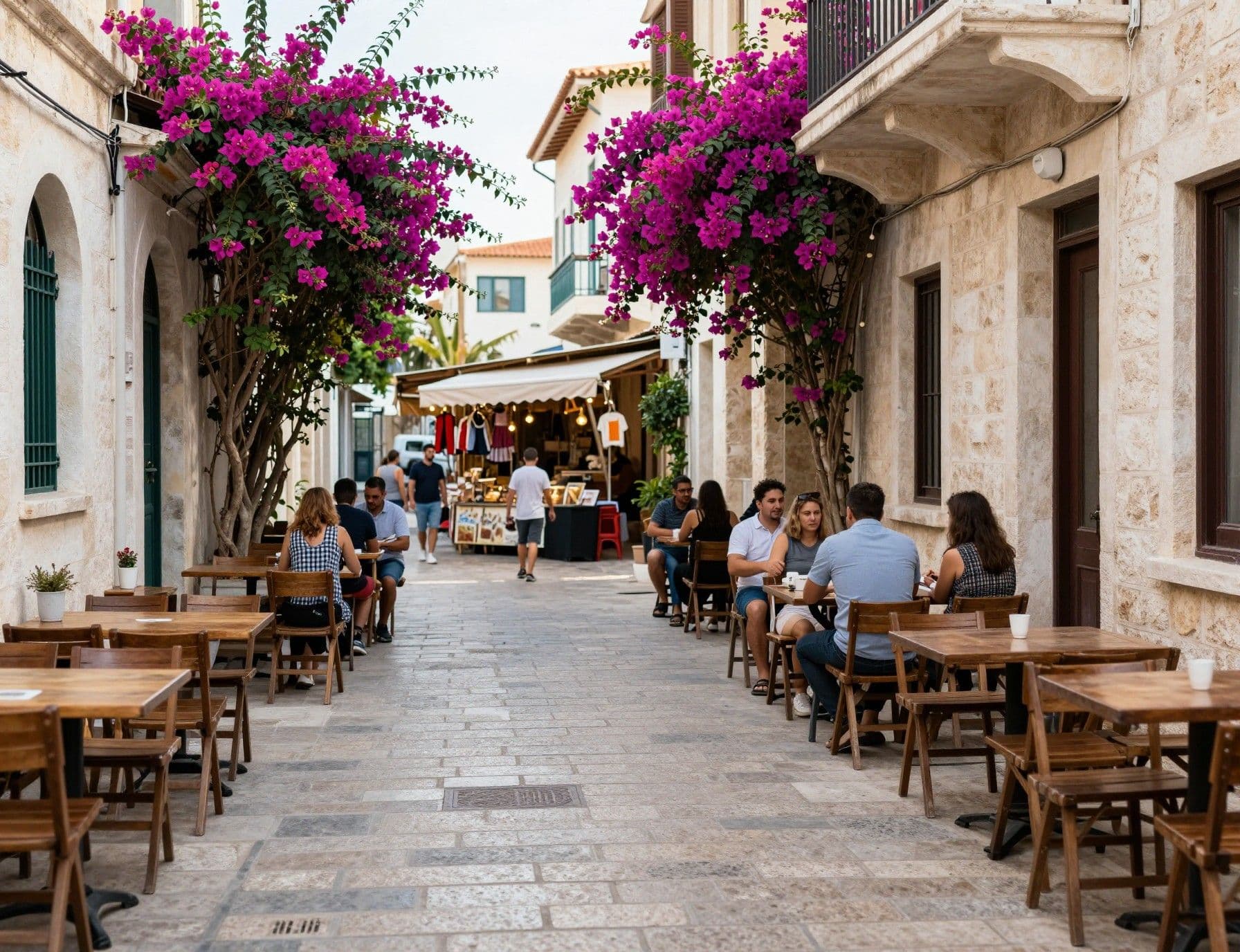
Cyprus is sensory: citrus-scented mornings in rural Limassol, the sound of children playing under plane trees in old Nicosia lanes, and seaside tavernas that stay lively into the evening. Daily life is paced around outdoor cafés, markets and the sea. English is widely spoken in coastal towns and government services increasingly cater to foreigners, which makes settling easier for buyers from Northern Europe and the UK. Expect warm winters on the coast and cooler, quieter mountain villages in Troodos where stone houses and slow rhythms reward those seeking retreat.
Limassol & the coastal acceleration
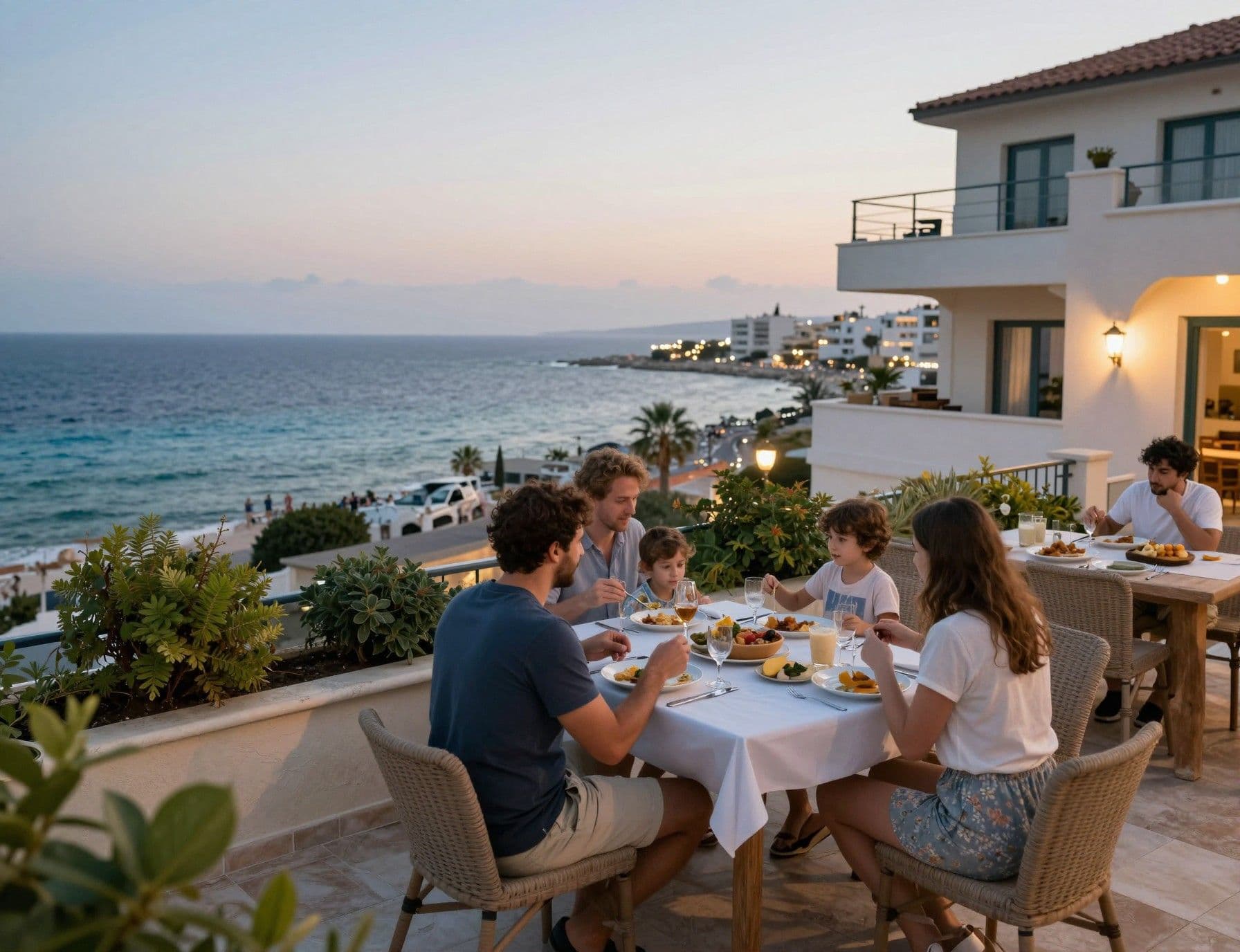
Limassol blends international business with beachfront living: modern developments, marina-side dining and a steady flow of short-stay tourists. Buyers who want lively cafés, a cosmopolitan social calendar and new-build amenities should look here. The trade-off is price: coastal demand pressures apartment values, and new developments often carry premium service charges and community rules that shape your day-to-day life.
Paphos & the understated opportunity
Paphos still rewards patient buyers. Tourists seed demand seasonally, but certain neighbourhoods — Kato Paphos for seaside life, Chloraka for quieter residential streets — offer lower entry prices and strong holiday-rental potential. If you value a quieter coastal community with authentic tavernas within walking distance, Paphos can feel like buying before the rest of the market catches up.
How market forces shape scenarios (short-term drivers)
Three practical drivers will determine where prices move next: tourism flows, construction supply and international demand. Tourism rebounded strongly after 2022 and continues to feed seasonal rental income and investor interest — CYSTAT shows arrivals concentrated in Paphos, Ayia Napa and Larnaca — while Central Bank data records steady residential price growth (with coastal pockets outperforming). Understanding which driver dominates for the town you favour is the key to choosing the scenario you want to live in.
Scenario A — Coastal acceleration (2–4 years)
If tourism and foreign buyer demand stay strong, expect coastal towns like Limassol and parts of Larnaca to see above-average appreciation. Central Bank data shows apartment price growth outpacing houses in some quarters; this scenario favours buyers targeting rental yield or resale in 2–4 years. Consider service charges, holiday‑let rules and short‑term rental demand when pricing offers.
Scenario B — Village & mountain revival (3–6 years)
A quieter future favours stone restorations and small village properties as remote-work patterns persist. Troodos villages and inland towns can outperform if buyers prioritise lifestyle over immediate rental returns. Renovation budgets, access to utilities and local planning rules matter more here than coastal amenity lists.
Scenario C — Stabilised, selective growth (4–8 years)
If supply increases and mortgage costs stay elevated, expect national growth to moderate — pockets with new infrastructure (marinas, schools, business hubs) will still outperform. This is the lowest-risk path for buyers who want steady capital preservation and modest rental income without chasing hotspots.
Making the move: practical steps that match lifestyle scenarios
Choose your scenario first, then your checklist. Buying for coastal yield requires different due diligence than buying a mountain renovation. Residency-by-investment rules and tax incentives can influence timing and price thresholds — check current government criteria early. Work with an agent who knows both the street and the statistics: they should tie neighbourhood lifestyle to RPPI trends and tourism data, not just show glossy listings.
Property types and lifestyle fit
Apartments near marinas suit buyers chasing short-term rentals and an urban social life; traditional stone houses in Troodos suit retreat-minded owners. Match finishes, outdoor living space and insulation to local climate — west‑facing terraces are pleasant but can increase cooling costs in summer. Ask sellers for utility histories and recent maintenance records; these small facts shape living comfort far more than staged interiors.
How local experts should support you
1) Provide RPPI‑backed price comps for the exact street, not just the town. 2) Combine tourism seasonality with expected annual rental days and local cleaning costs. 3) Map future infrastructure projects and planning permissions that could shift value. 4) Run a renovation‑cost scenario if buying older stone property. These steps blend lifestyle with investable metrics.
Insider knowledge: expat lessons and seasonal truths
Expats say the biggest surprise is rhythm: coastal towns pulse in summer and quiet dramatically in winter. That’s great if you want peace, awkward if you depend on year-round services. Language is seldom a barrier in tourist and expat hubs, but local bureaucracy can be slow. Practicalities — waste collection schedules, road access in winter, and the frequency of local markets — determine whether a place feels like home.
Cultural cues that change where you buy
In Cyprus, community ties matter. Neighbourhoods with active cultural centres, churches and weekly markets tend to retain local character and resist rapid overdevelopment. If you want integration, choose areas with regular community events; if you prefer anonymity, newer coastal projects deliver that. Either way, visiting in shoulder seasons reveals the true character more reliably than peak-summer scouting trips.
Lifestyle highlights & local specifics to explore
• Morning coffee on Anexartisias Street, Limassol — good for people-watching and short walks to the marina. • Fish tavernas at Paphos harbour — evening atmosphere and a steady holiday rental draw. • Larnaca’s Finikoudes promenade — flat, walkable and year-round services for families. • Troodos villages (e.g., Omodos) — harvest festivals and stone houses for quiet retreats. • Ayia Napa off-season coastal walks — reveals the island’s quieter corners beyond the party image.
Conclusion — fall in love, then frame the forecast. Let the life you want pick the scenario: coastal acceleration for social, serviced living; village revival for retreat and renovation; stabilised growth for conservative preservation. Use Central Bank RPPI data and CYSTAT tourism figures to stress‑test offers, and ask agencies to build scenario-based budgets (best case/worst case/most likely). When lifestyle and numbers align, Cyprus stops being an idea and becomes a place you can call home.
BlueprinteraDutch investment strategist with a Portugal-Spain portfolio. Expert in cross-border financing, rights, and streamlined due diligence for international buyers.
Related Articles
More insights that might interest you
 Villa Curated
 Villa Curated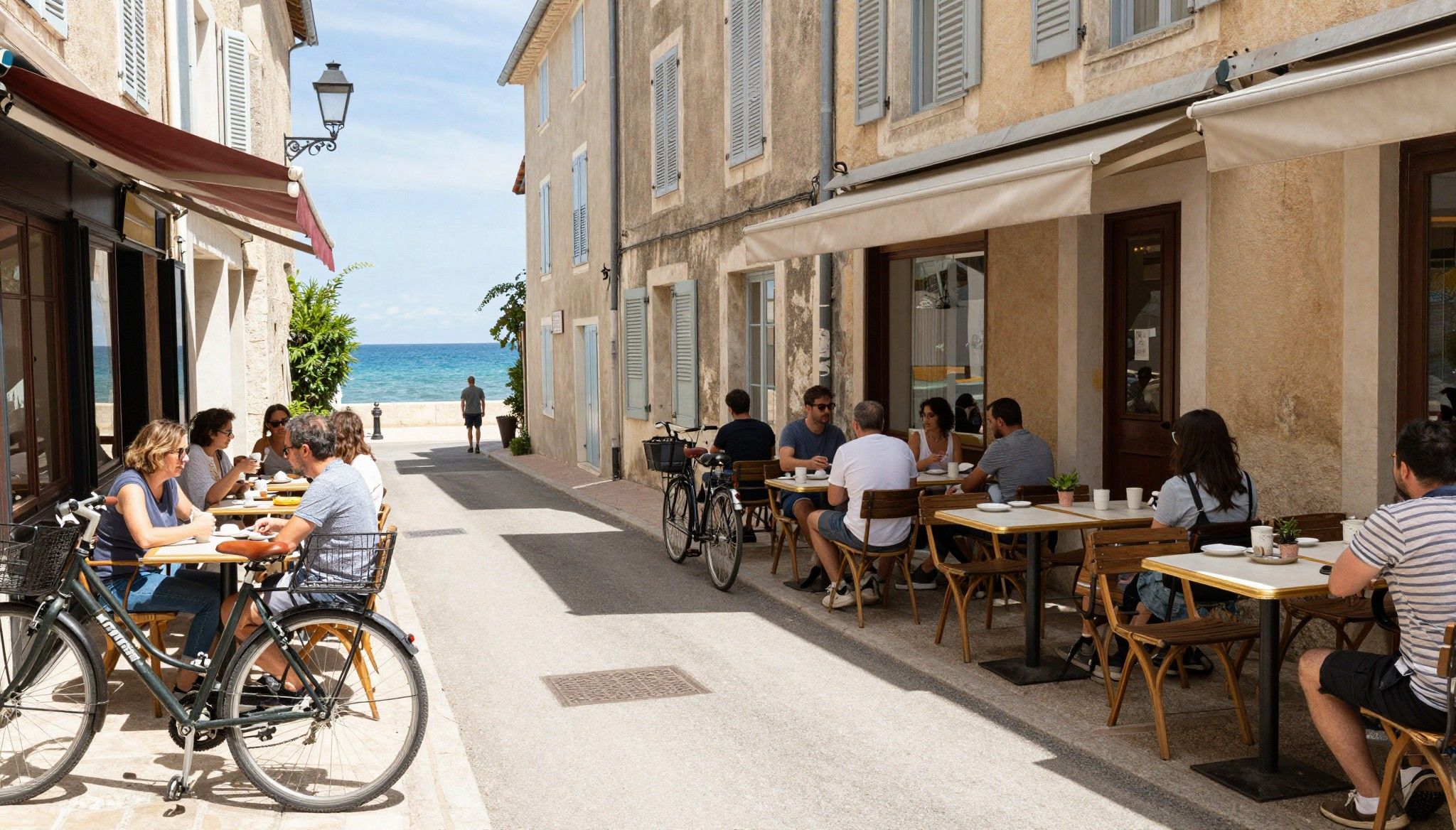
 The Yieldist

