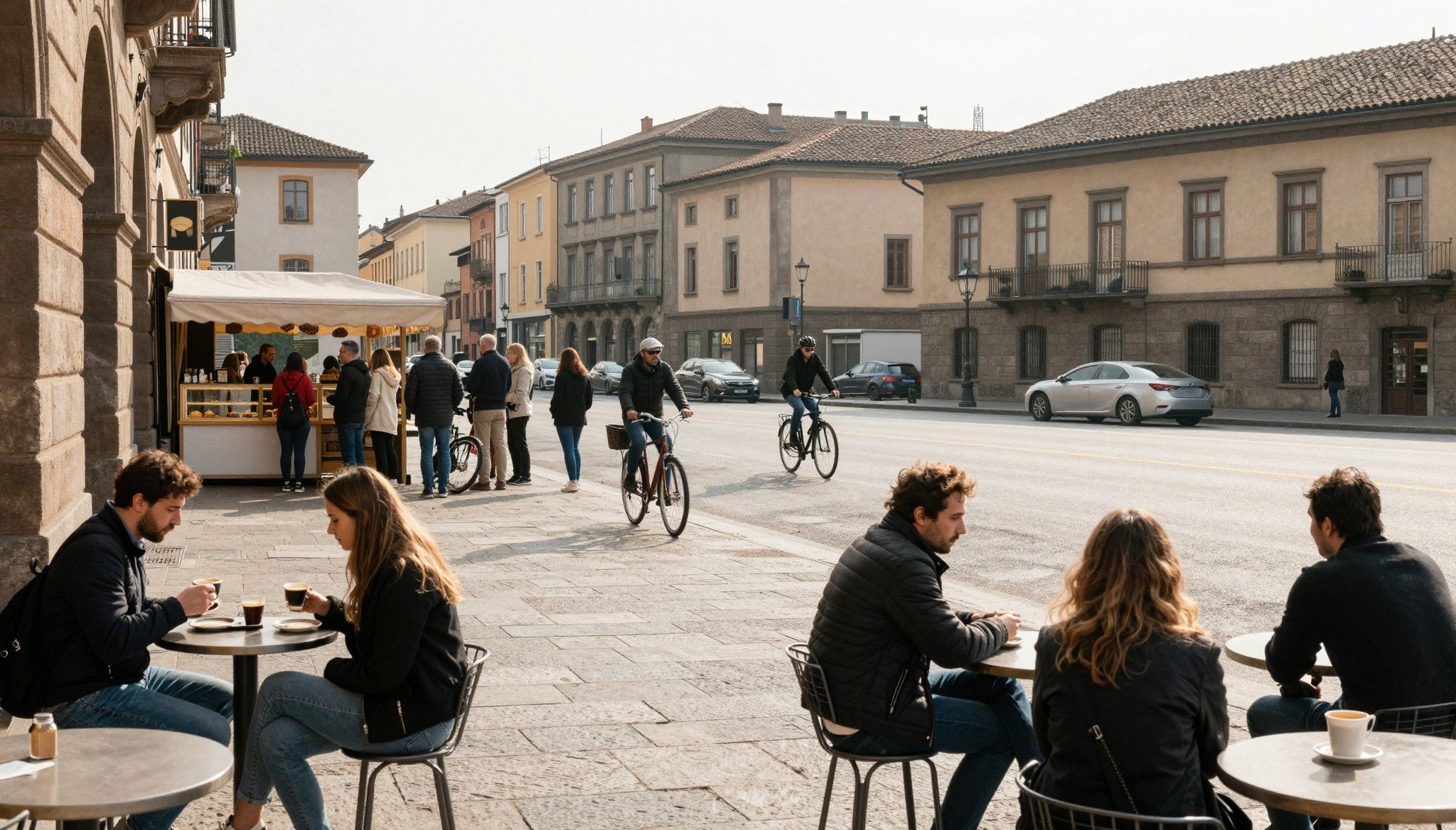
Italy’s Urban Rhythm: Pick the Neighbourhood, Not the Price
Italy’s cities are lived-in mosaics — choose for rhythm and micro‑markets, not headline prices; local data (ISTAT, Nomisma) supports steady, regional growth.
 Ashworth & Drake
Imagine sipping espresso at an early-morning market stall in Testaccio, then walking five minutes to a sixth-floor balcony where the light hits the city just so. That's Italy: a rhythm of markets, aperitivi and lived-in corners where neighbourhoods feel like extended families. For international buyers, that daily life — not the headline prices — should shape where you look and how you buy. We’ll show you the parts people fall in love with first, then the market realities that quietly change decisions.
Living the Italy rhythm: cities that breathe
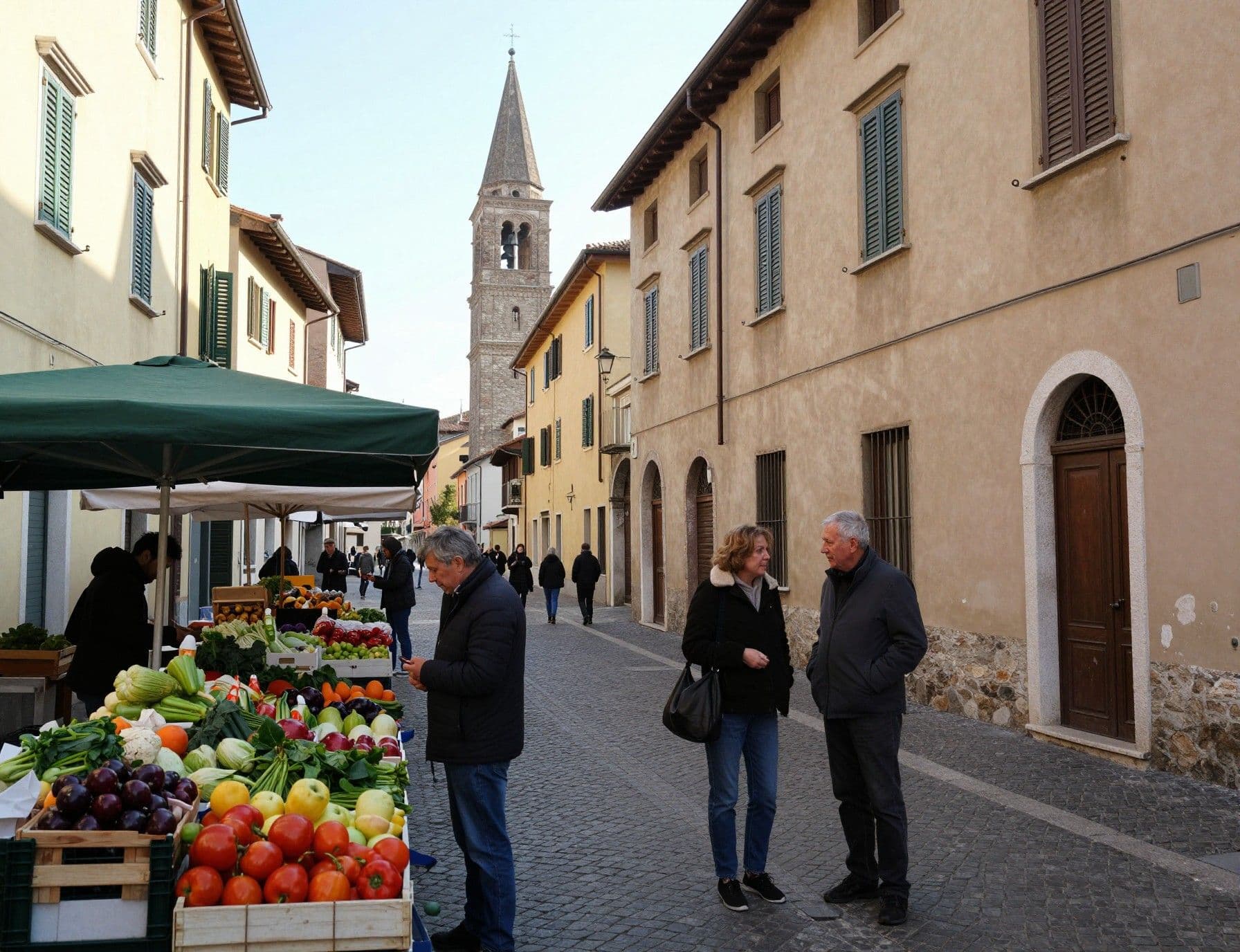
From the tram-lined lanes of Milan to the trattorie-lined sidestreets of Florence, Italy’s urban hubs each keep a distinct tempo. While national indexes rose modestly in recent quarters, daily life is local: morning markets in Mercato Centrale (Florence), evening aperitivo crowds on Milan’s Navigli, and the slow Sunday passeggiata in Bologna’s Quadrilatero. Those rhythms tell you where a property will actually deliver the life you want, more than a city-wide price headline. (For national trends, see ISTAT and Nomisma reporting.)
Neighborhood spotlight — Rome: Testaccio and Monti feel lived-in. Testaccio’s food market and modest apartment blocks give you authentic Roman life without the Duomo-tourist loop. Monti’s narrow lanes house artisans and late-night wine bars. In both places the scent of bread and coffee is part of the morning commute; small groceries and local shops mean you live like a local quickly.
Florence’s Oltrarno trades postcard views for craft workshops and piazza life; Milan’s Brera and Porta Romana mix galleries, boutiques and evening energy; Bologna’s Santo Stefano and the Quadrilatero are market to aperitivo in one loop. These are the streets you’ll actually use: the cafes where owners know your name, the greengrocer who calls at 8am, the baker whose bread marks your week.
Food, markets and small rituals
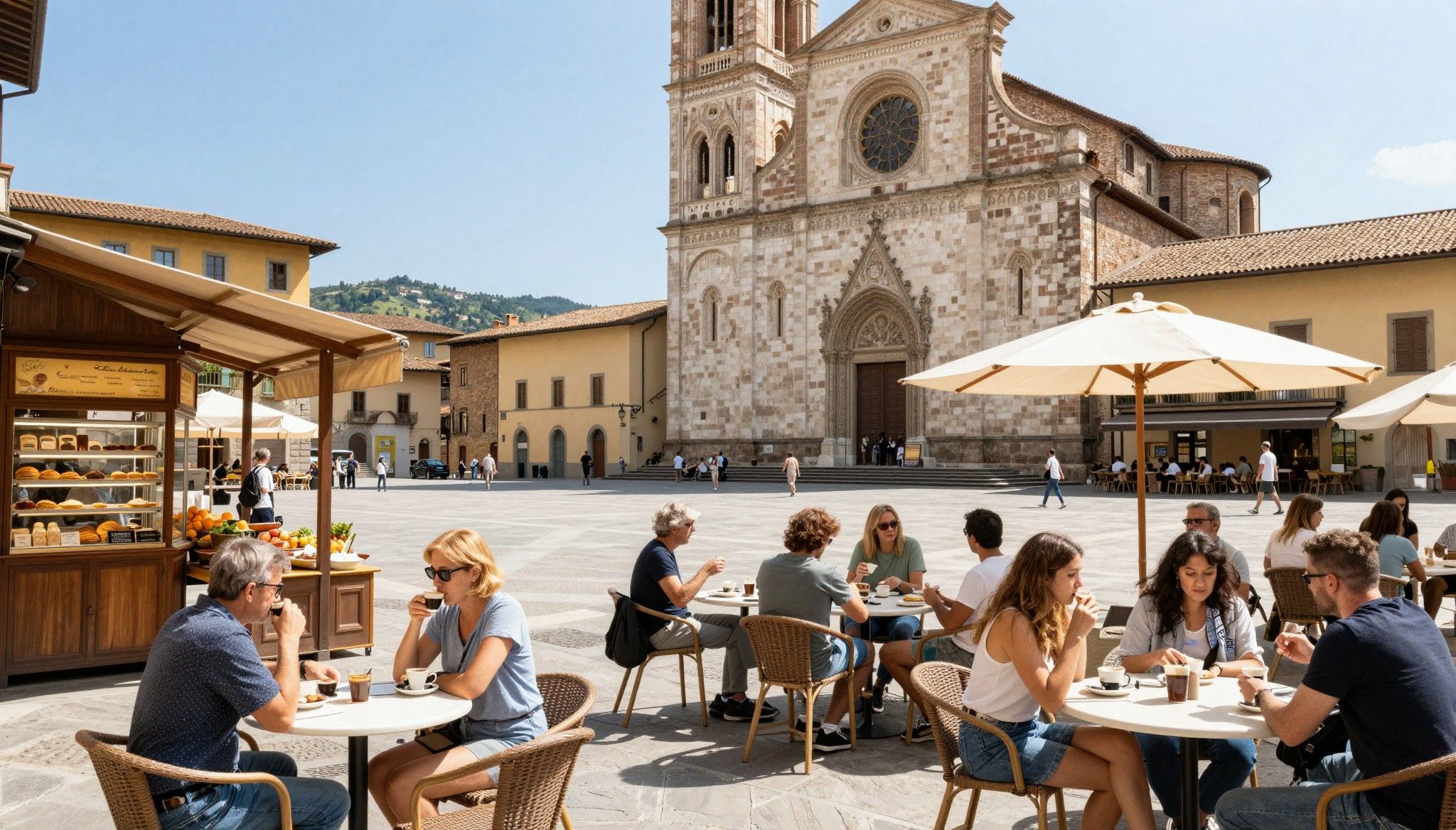
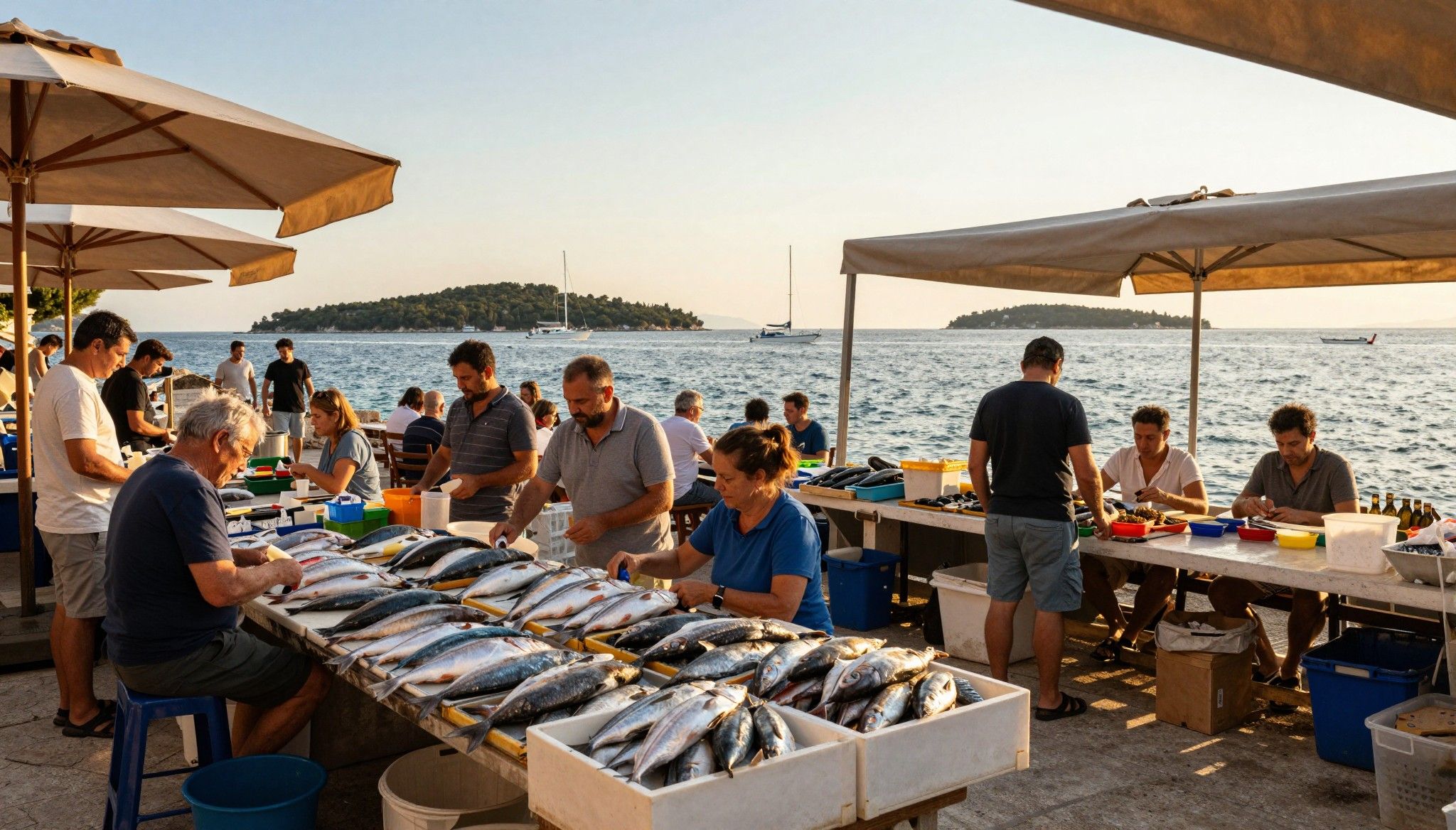
A day-in-the-life in Italian cities centers on food: morning espresso at a bar counter, a midweek market run, and evenings either at a neighbourhood osteria or on a small terrace. Those routines influence what property features matter: a compact but well-lit kitchen, a balcony for late-night wine, and storage for market buys. Market data shows prices rising gently in 2025–2026, but lifestyle-driven choices — position relative to markets, piazzas and transit — determine long-term satisfaction. (See Immobiliare.it for recent price snapshots.)
- Daily-life highlights: Mercato Centrale (Florence); Navigli canals (Milan); Campo de' Fiori (Rome); Quadrilatero market (Bologna); evening aperitivo on Brera's piazzette.
Making the move: lifestyle-first property decisions
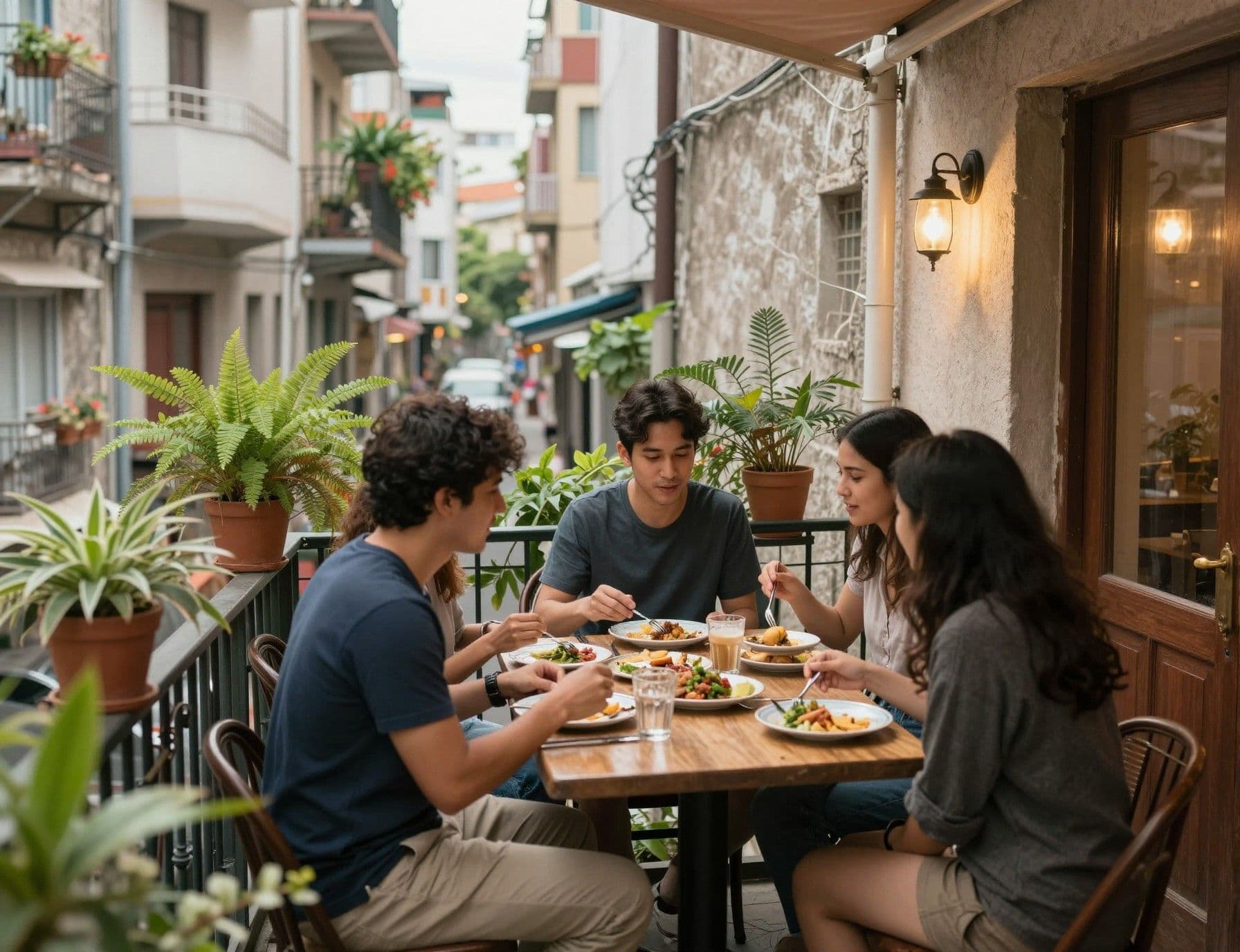
You can fall for an Italian lifestyle and then make choices that ruin it: picking a cheaper edge far from the market, or choosing a ground-floor flat without light because it feels ‘authentic’. Start with the life you want, then translate that into property criteria. Nomisma and industry reports show transaction volumes and price movements, but they don't tell you whether the street has a morning market or a midnight bakery. That’s where local expertise matters.
Property types and how they fit your day
Historic flats in city centres give you proximity and character but often need work on wiring and insulation. Modern apartments (new builds or conversions) offer comfort and energy ratings but can be set back from lively streets. If your life is market-and-cafe based, prioritise upper-middle floors with balconies and light. If quiet studio time matters, look for courtyards or homes with double glazing and good ventilation.
Working with local agents who know the rhythm
- 1. Ask agents where their clients actually buy — not the glossy brochure addresses. 2. Visit the neighbourhood at market time and at 9pm to feel the real rhythm. 3. Request recent comparable sales within 200 metres, not city averages. 4. Confirm building usability: lift condition, concierge hours, condominium rules. 5. Prioritise agencies that introduce you to local artisans, not just lawyers — they’ll explain renovation practicalities.
Insider knowledge: expat truths and seasonal surprises
Real talk from expats: language helps, but neighbours matter more. Learning basic Italian expedites bureaucracy and opens doors at the market. Seasonality is real — northern cities cool off in winter and thrive in spring; coastal towns surge through summer. Cushman & Wakefield and national reports show steady, localised growth — but what affects your life is micro-season: when the café opens, when the street festivals swarm, when construction noise starts.
Cultural integration and daily community
To be accepted locally, show up. Shop at the same market stall, learn the barista’s name, join a neighbourhood association or church event. These small ties shape your long-term happiness far more than proximity to a landmark. Expect a slower pace for paperwork but richer social returns for persistence.
Long-term lifestyle and practical considerations
Plan for maintenance: older buildings have charm but often need work on heating and insulation; that affects comfort and budgets. Energy efficiency and seismic upgrades are becoming priorities in many regions. National HPI growth has been modest and steady, but region and city-level differences can be large — so ask for specific data for the neighbourhood, not just the city-wide index.
- Smart immediate checks before making an offer: recent local comparables; building service history; planned public works nearby; orientation and balcony sun exposure; storage/cellar availability.
Italy rewards those who buy for life, not only for capital gain. Choose a neighbourhood you can see yourself in on a weekday morning, not only in a postcard shot. Once you find it, work with agents who know the market’s micro-details — neighbours, market days, seasonal rhythms — and pair them with a lawyer who understands local registry quirks.
Next steps: visit in the season you plan to live there, get local comparables, and ask your agent for at least two renovation estimates. Also check recurring costs like IMU and TARI, and how the cadastral value affects purchase taxes. These practical steps protect your lifestyle investment and keep the dream realistic.
Ashworth & DrakeBritish expat who relocated to Marbella in 2012. Specializes in rigorous due diligence and cross-border investment strategies for UK and international buyers.
Related Articles
More insights that might interest you
 Villa Curated
 Villa Curated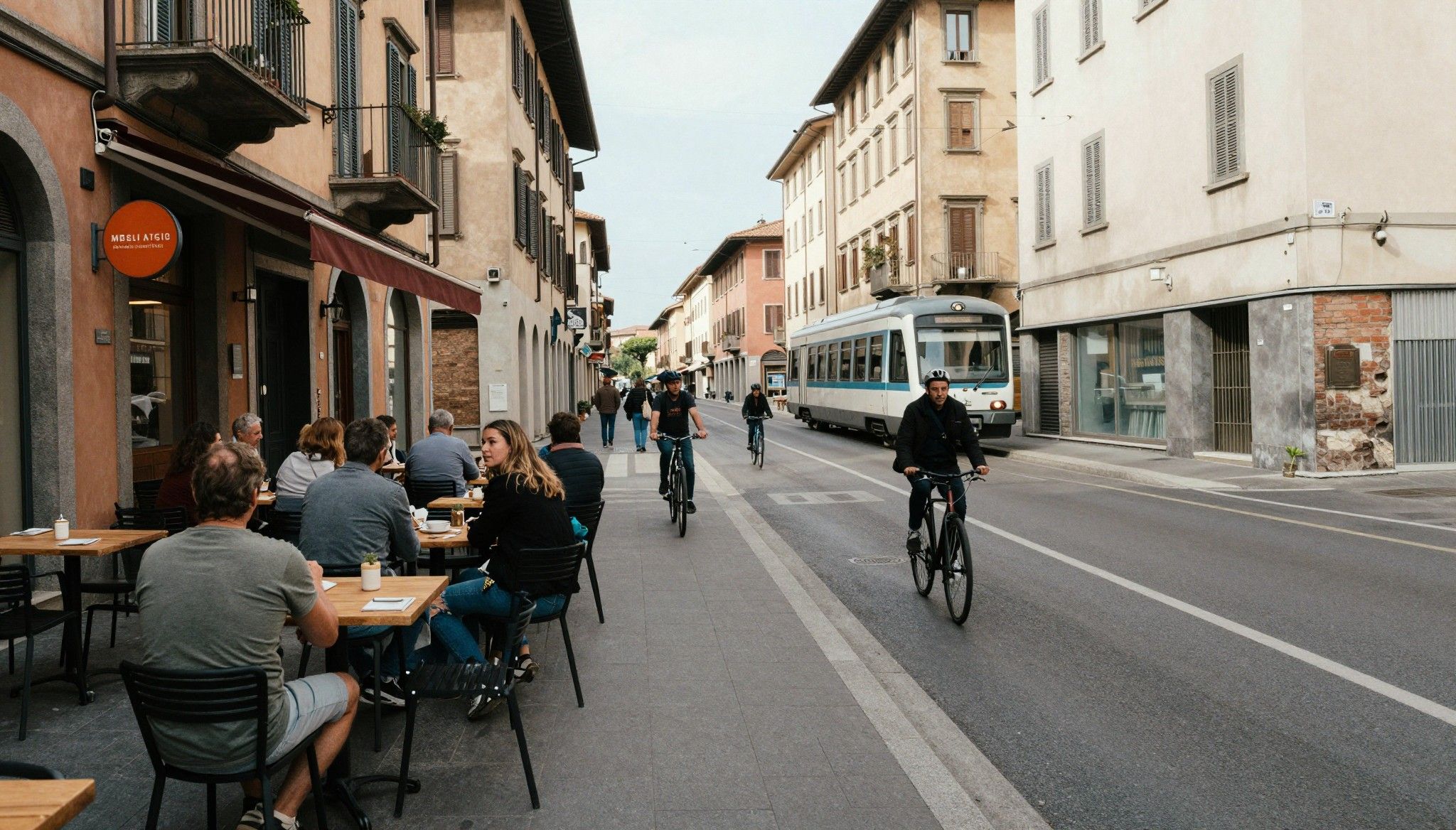
 The Yieldist

