Valletta vs St Julian’s: Where Lifestyle Outperforms Price
Malta’s price headlines conceal micro‑markets: buy for the life you want — Valletta’s provenance, St Julian’s coast, or Mdina’s calm — and let local data shape the offer.
 Villa Curated
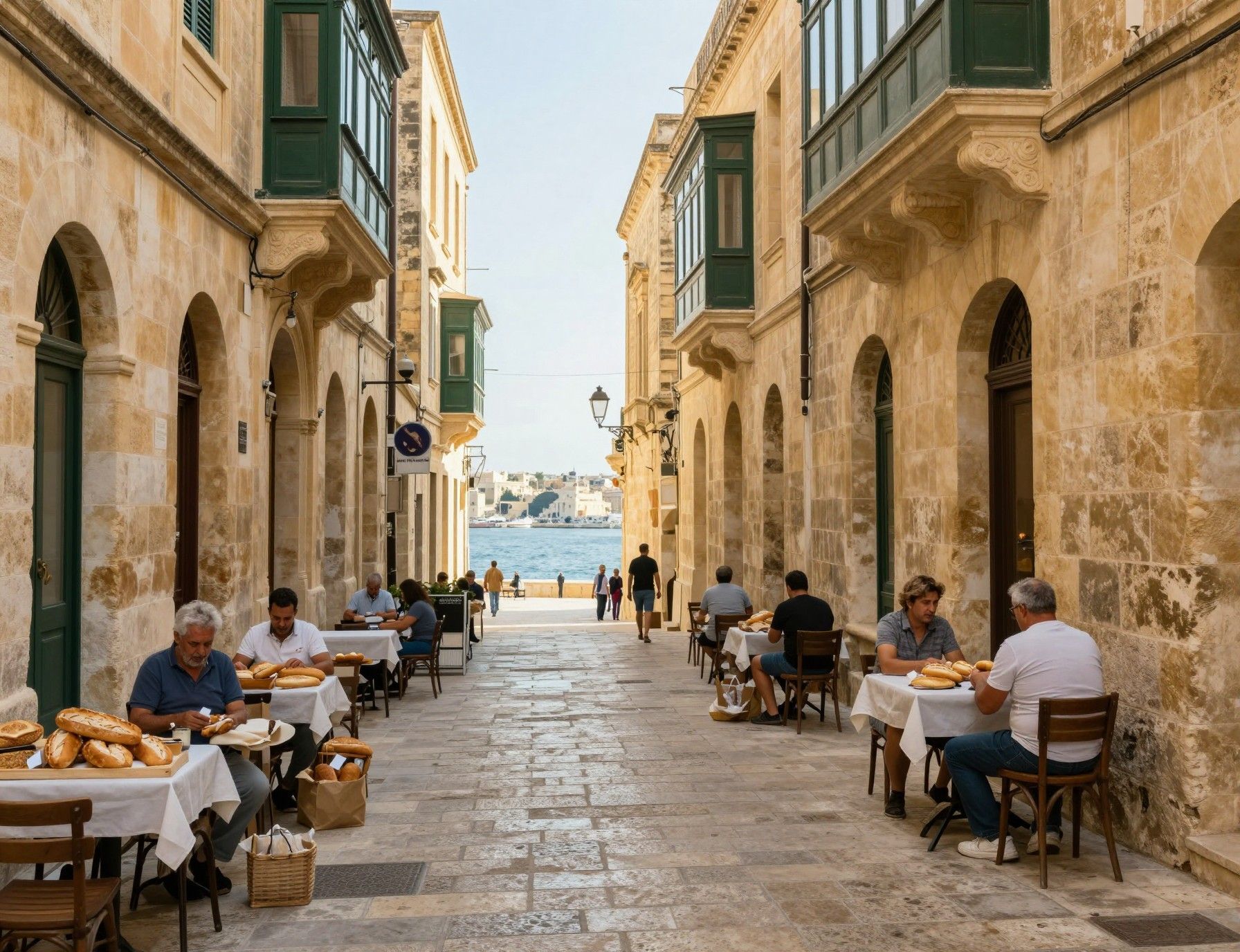
Imagine stepping out at dawn onto Republic Street in Valletta, the limestone warm beneath your shoes, the bakery releasing the first sweet scent of fresh pastizzi while the Grand Harbour catches the pale light. Living in Malta feels like compressed Mediterranean life: compact streets, seasonal crowds that ebb and flow, and everyday rituals — coffee, seawater dips, evening aperitifs — that give the islands a calm insistence. For international buyers this intimacy is the appeal and the complication; a small archipelago means every choice is social as well as financial. Recent market analysis helps explain why price headlines often misread what life here really costs and what value truly looks like in Malta.
Living Malta: The rhythm and the reality
Day-to-day life in Malta is shaped by scale. Distances are short: a coastal walk, a café terrace and a village festa can all sit within a single afternoon. Valletta hums with baroque facades, rooftop terraces and a steady stream of curated cultural life; Sliema and St Julian’s pulse with seaside promenades, contemporary dining and an expat social scene; Mdina and the Maltese countryside offer quiet cadence and a sense of provenance in stone-built homes. The island’s human scale means neighbourhood character is immediate; where you buy determines your weeks and friendships as much as your capital appreciation.
Valletta: history as a neighbourhood
Valletta is not a museum dressed up as a city; it is a lived place where front doors, small grocery shops and classical theatres coexist. Mornings bring retirees reading on narrow balconies, afternoons see cultural programmes at the Manoel Theatre and evenings are for intimate restaurants tucked into mews. Properties here — tall, stone-fronted townhouses and restored palazzini — reward buyers who value provenance and craftsmanship over open-plan novelty.
St Julian’s & Sliema: the social coast
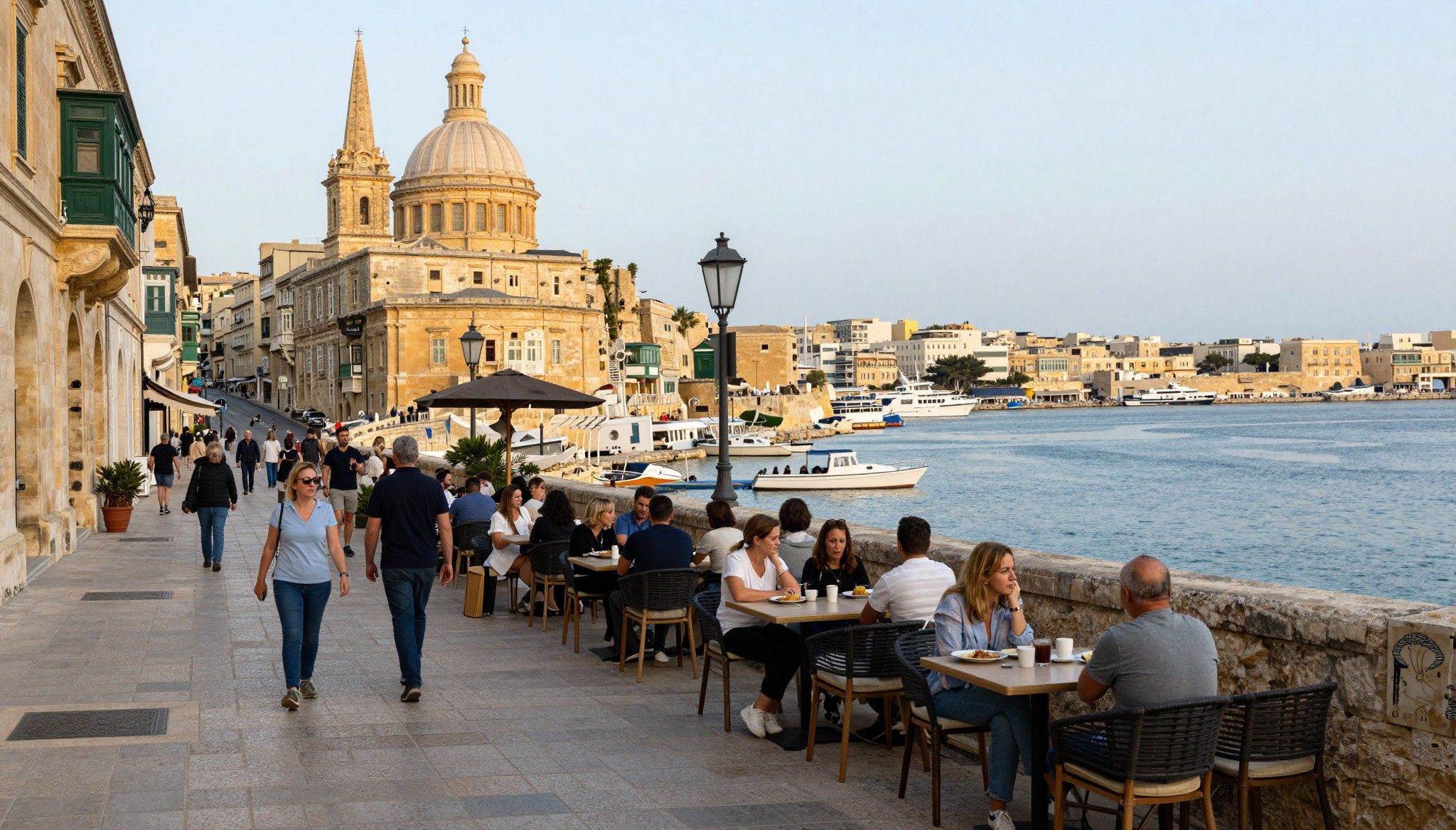
If you prefer a livelier tempo, St Julian’s and Sliema offer cafes along the seafront, small galleries, and an international dining scene. Apartments with terraces and sea glimpses are common, and the neighbourhood attracts professionals and families who prize convenience and coastal life. Note the trade-off: contemporary apartment living here often means accepting less internal floor area in exchange for outdoor proximity and lifestyle amenities.
Lifestyle highlights
Morning espresso at Caffe Cordina (Valletta) and an afternoon dip at St George’s Bay (St Julian’s).
Sunday farmer’s stalls at Marsaxlokk followed by a seafood lunch by the harbour.
A summer village festa in Tarxien or Siggiewi—fireworks, band clubs and neighbourhood feasts.
Making the move: how lifestyle guides the market
Headlines about ‘rising prices’ are accurate — Malta’s Residential Property Price Index has shown steady increases — but they obscure nuance. Price growth clusters in certain segments (city apartments, sea‑view penthouses) while other pockets show slower movement. For a buyer seeking a quiet, centuries‑old townhouse the market behaves differently than for a short‑term rental investor chasing yield. Read the data, then translate it through lifestyle: where will you spend mornings, whom will you meet, and which property's footprint fits the life you imagine?
Property types and how they serve daily life
Traditional townhouses and palazzini offer generous room proportions, thick limestone walls and scale for entertaining; they are slower to renovate but reward owners with atmosphere and provenance. Modern apartments deliver convenience — lifts, compact layouts, breezy terraces — and suit buyers who prioritise ease, rental potential and seaside access. For many internationals, a maisonette or apartment with an outdoor terrace provides the best compromise: indoor historic character where it exists, and an exterior room for the long Maltese summer.
Work with specialists who know the life
1. Brief an agent with precise lifestyle criteria — morning walk, proximity to international schools, seaside evenings. 2. Prioritise agencies that showcase material provenance and restoration quality over glossy staging. 3. Visit at different times: a Friday evening, a quiet weekday morning and a Sunday market day. 4. Ask for three neighbourhood comparables that show both sale price and typical living costs (utilities, local services, community fees).
Insider knowledge: what expats wish they’d known
Expats often arrive enchanted and discover two practical truths: first, Malta’s small size means local choices are visible and social; second, headline yields and price indices hide micro‑differences between parishes. Reports from local industry groups and international institutions confirm steady price rises, but also flag pockets of lower liquidity and a crowded short‑term rental market. The practical lesson: buy where you will live, not where a headline yield suggests you should.
Language, customs and everyday integration
English is an official language and commonly used in business, education and legal processes, which smooths many practical steps for international buyers. Yet Maltese remains the language of neighbourhood life; learning a few phrases opens doors at markets, band clubs and festa committees. Social customs prize discreet familiarity: introductions matter, and stewardship of a historic home is appreciated in ways that influence relationships with neighbours and local tradespeople.
Longer view: stewardship, resale and community
When you buy in Malta you are buying into a community: choose a property that you can maintain with local craftsmen, respect conservation rules for historic façades, and consider how seasonal tourism affects the neighbourhood’s character.
Look for properties with demonstrable restoration records — planning approvals, original material retention and well‑documented interventions indicate true stewardship.
Factor in community costs: pre-existing residents’ committees, festa schedules and limited parking can influence everyday life and long‑term desirability.
1. Inspect service documentation: conservation approvals, roof reports and any communal maintenance contracts. 2. Meet a local conservator or architect; their judgment on a limestone façade is often decisive. 3. Request three years of running costs for the property — energy, water, communal fees — to compare with lifestyle expectations.
Malta rewards buyers who think in terms of stewardship and life rather than quick arbitrage. The islands offer a blend of maritime ease, dense cultural life and architectural provenance. If you picture mornings on a café terrace, weekends at small harbours and evenings spent entertaining on a limestone rooftop, let that picture direct your search. Practical due diligence — from checking RPPI trends at the NSO to consulting local architects and agencies — will then translate that dream into a residence of enduring value.
Next steps: see the place at different times, brief an agent with precise lifestyle criteria, and commission a fabric survey before making an offer. A considered purchase in Malta is as much about fitting into a way of life as it is about price per square metre. When both align, the island’s compactness becomes an advantage: everything you need is close, and every day gains a distinct Mediterranean texture.
Villa CuratedFormer Copenhagen architect who relocated to Provence, offering relocation services, market analysis, and a curator’s eye for authentic regional design.
Related Articles
More insights that might interest you
 The Yieldist
 The Yieldist
 MoveSettleGo