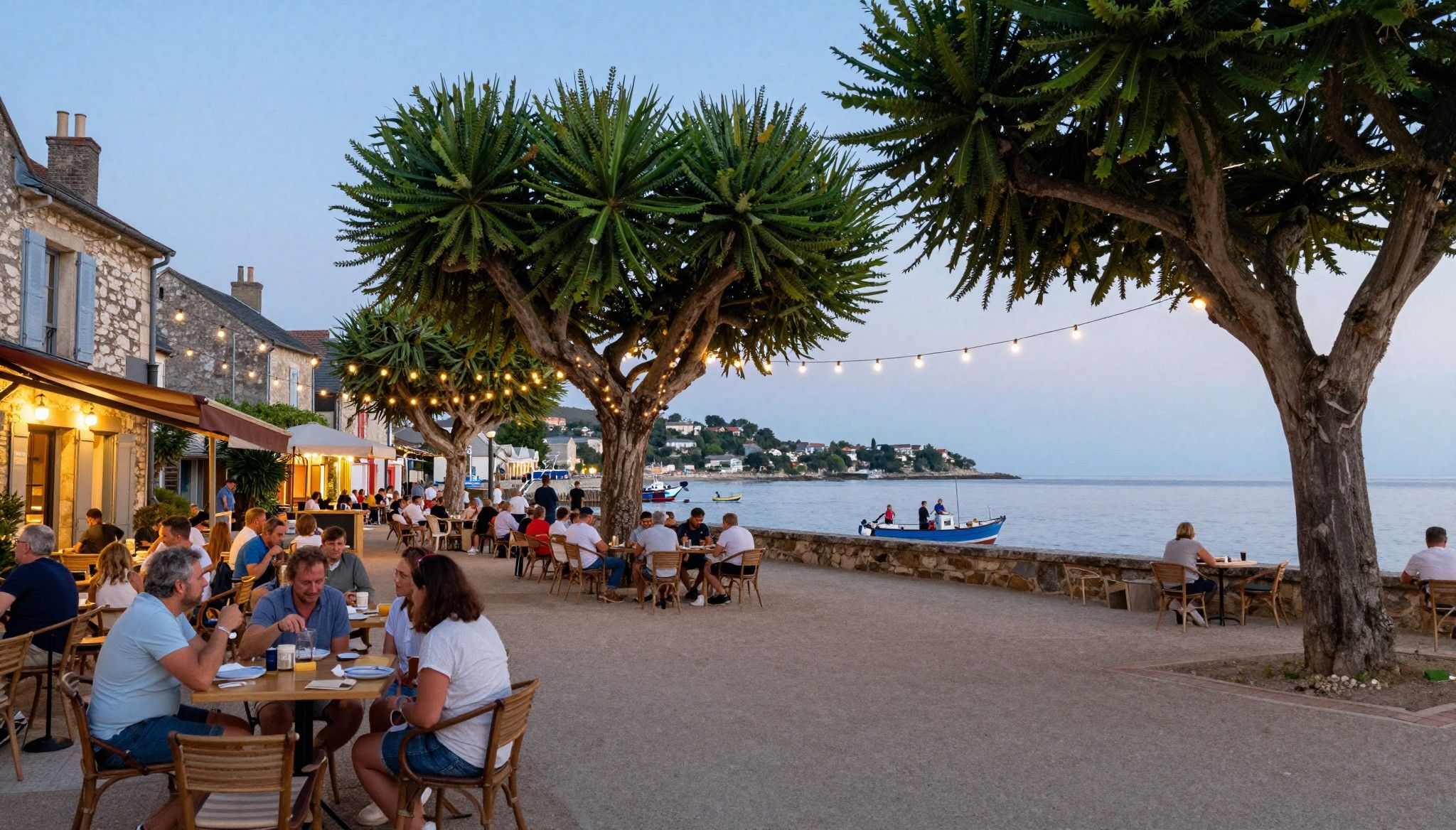
France: Live the Life, Do the Local Checks
How to fall into French life while doing due diligence: pair sensory, neighbourhood-led discovery with checks on DPE, PLU rules and planning permits to protect your lifestyle.
 Moss & Hearth
Imagine an early Saturday in Aix‑en‑Provence: a warm breeze carries garlic and espresso from the marché, limestone facades glow, and neighbors linger over second‑cups. That relaxed rhythm is France — where daily rituals, seasons and food shape not just how you live but how your home needs to perform. For international buyers drawn to that life, due diligence in France is not a dry checklist; it’s about protecting the lifestyle you came for — from sunlight on a terrace to a roof that keeps heat out in August and warmth in come winter.
Living the French Life — senses, seasons and streets
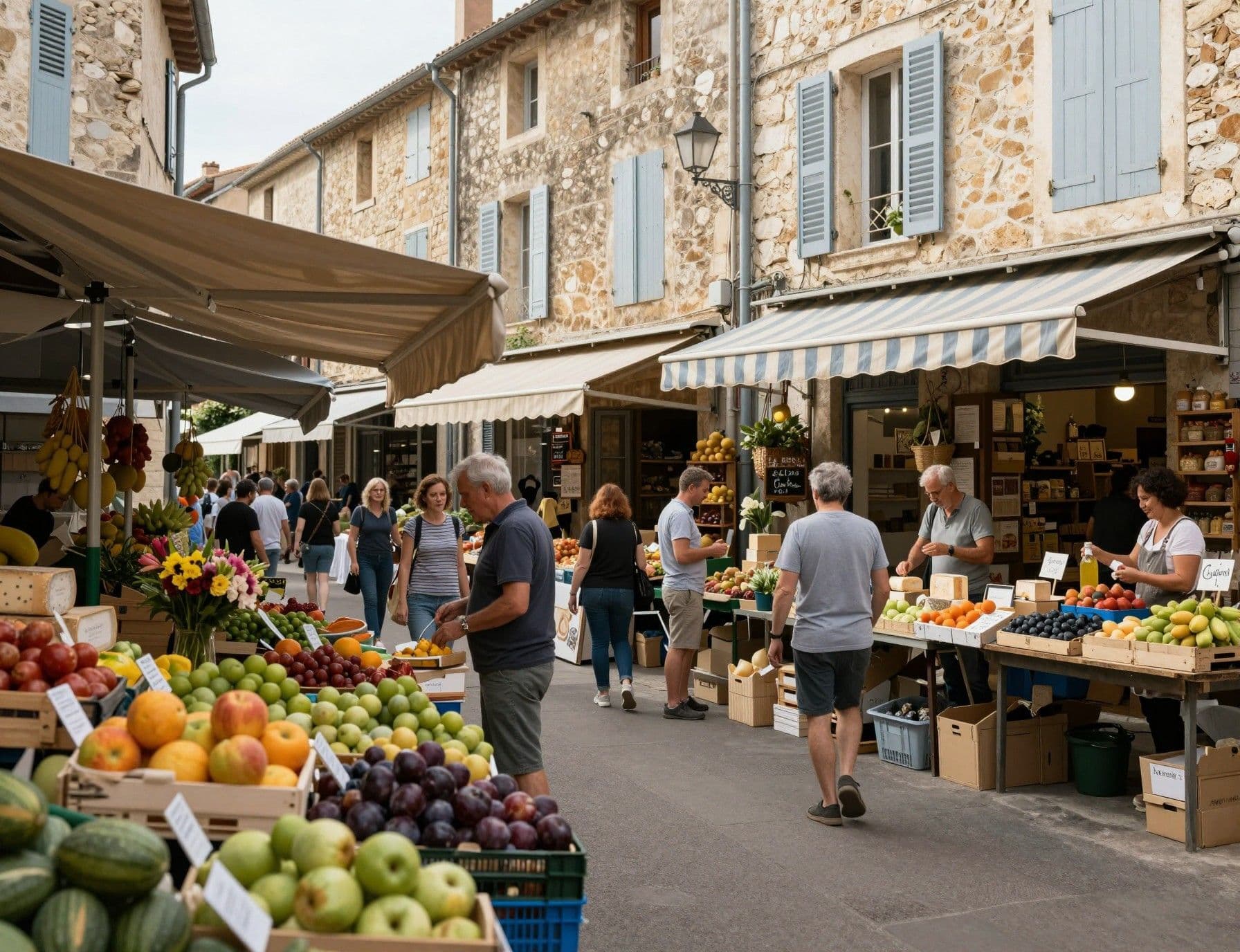
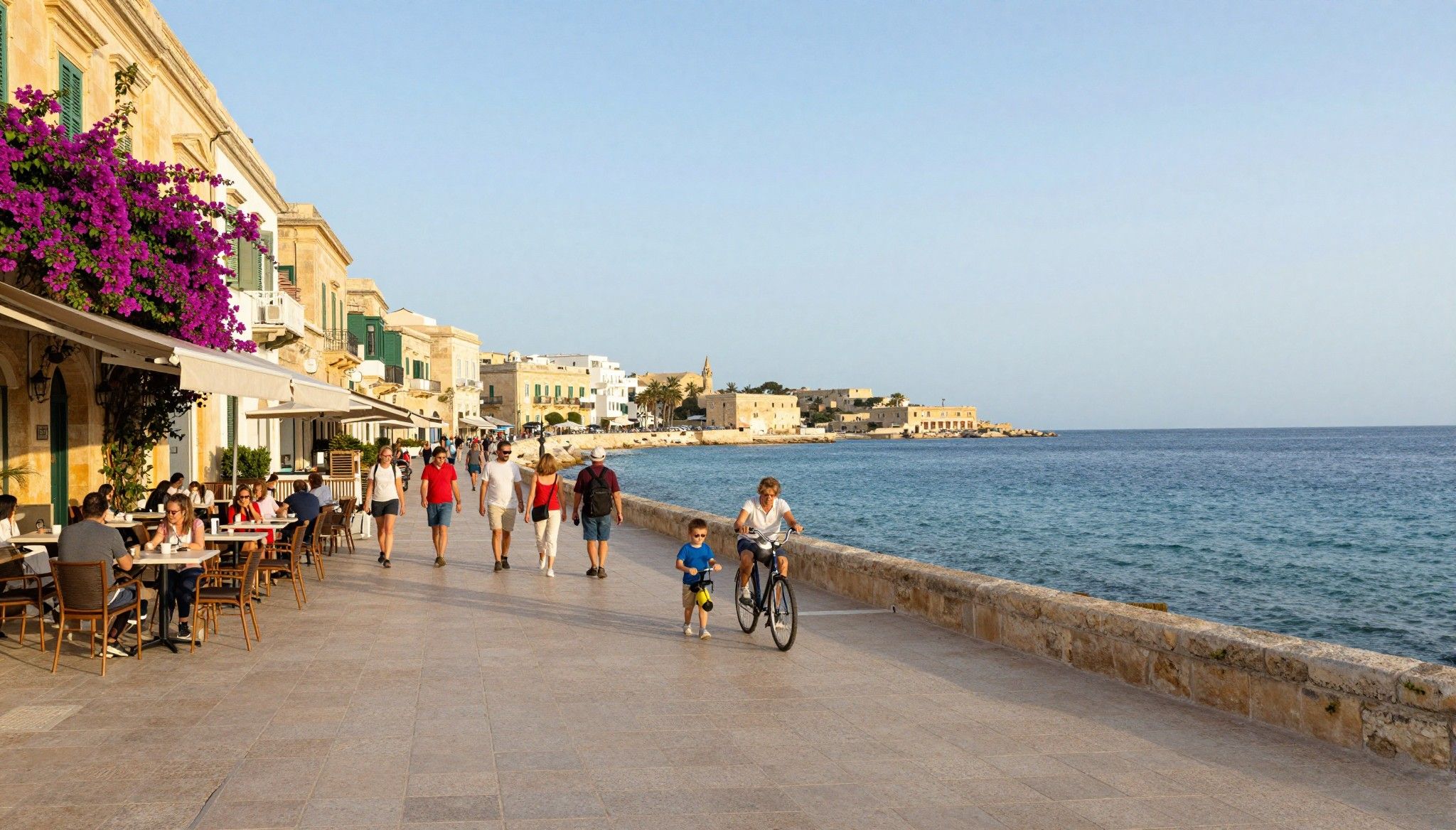
France’s charm is hyperlocal: in Paris it’s greengrocers on Rue Cler, in Bordeaux it’s market stalls by the Garonne, in Brittany it’s tidal mornings on Pointe du Raz. These rhythms determine what matters in a property — courtyard gardens for spring, thick stone walls for alpine chills, and terraces that face west for long summer evenings. When you plan a purchase, start by imagining a full day in your future neighbourhood: where you’ll buy bread, where you’ll walk the dog, which café becomes your office-away-from‑home.
Neighborhood spotlight: Aix‑en‑Provence & rue Espariat
Walk down rue Espariat at 10 a.m. and you’ll see boutique florists, a boulangerie with almond croissants, and shutters painted faded blue. Here, life is courtyard breakfasts and market hours; properties with shaded inner gardens and well‑insulated windows will serve you better than a rooftop room with heat‑trap glass. Look for traditional Provençal façades, original wooden beams and ground‑floor cellars that are useful for storing wine and seasonal preserves.
Food, festivals and seasonal living
Seasonal cycles — truffle fairs in Périgord, grape harvests in Burgundy, stormy winters on the Atlantic coast — shape when neighbourhoods breathe and when tradespeople are busy. If you dream of market mornings and late‑summer terraces, plan your viewings outside tourist peak and confirm renovation windows with local mairie calendars; small works often need a déclaration préalable or a permis de construire from the town hall. That local calendar affects both lifestyle and permits, so factor municipal rhythms into timing and budgets.
- Market & lifestyle highlights to scout in person: 1) Morning market routes and opening hours; 2) Café culture — is there a neighbourhood café that gathers locals?; 3) Bicycle and walking routes; 4) Local artisans and trades (plumbers, carpenters) availability; 5) Green spaces and community garden initiatives; 6) Proximity to weekly producers’ markets.
Making the move: practical considerations with an eco‑mind
Romance meets regulation in France. National data shows regional nuance — coastal and Parisian markets often differ from inland rural corridors — and local building rules, energy diagnostics and urban plans can change how you use a property. Use statistical snapshots from Notaires and INSEE to ground your offer, but pair those with local mairie checks and an agent who understands sustainable retrofit potential: solar access, insulation possibilities and whether a property sits in a conservation zone that limits green upgrades.
Property styles and how they shape lifestyle
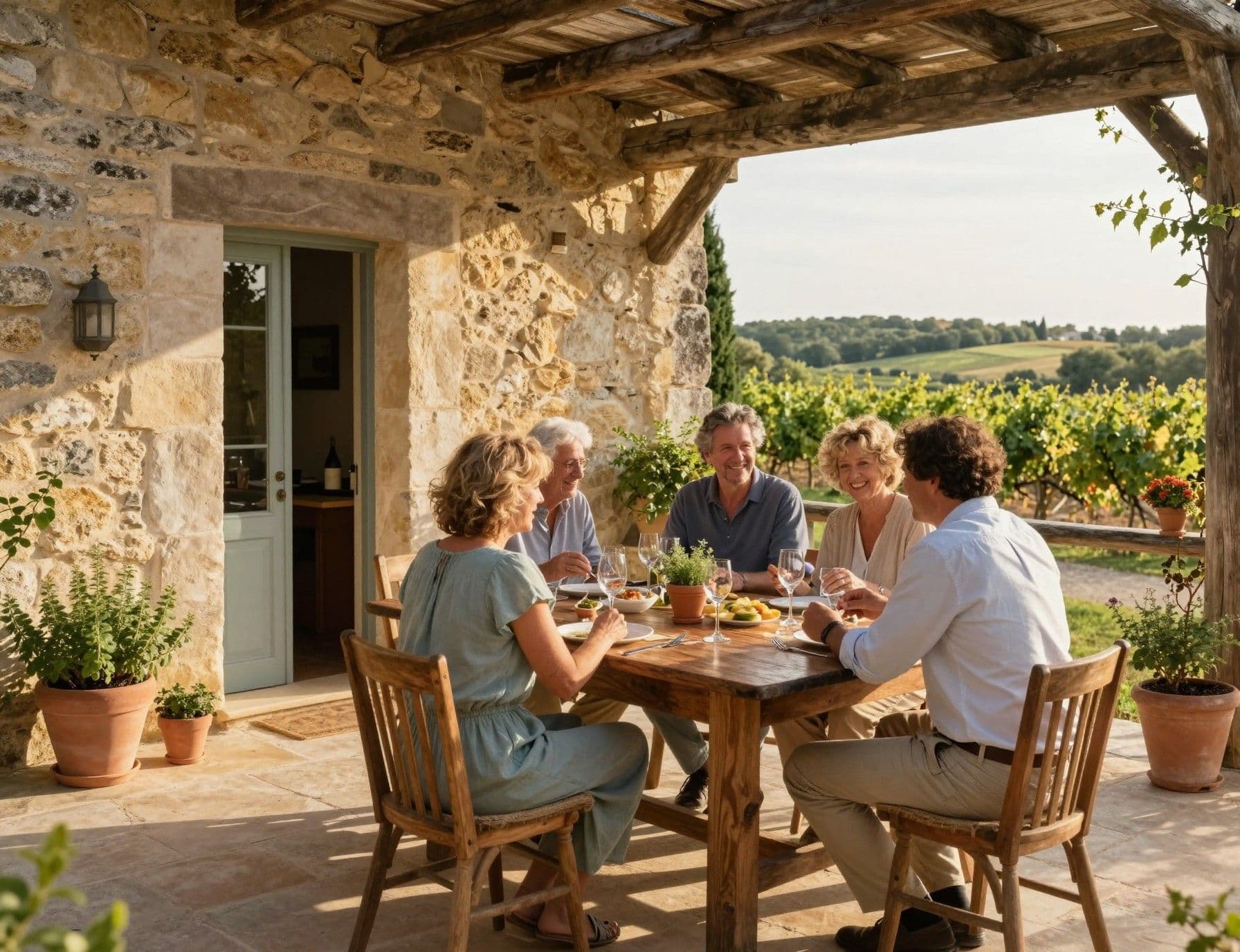
A stone maison in Dordogne invites slow Sundays and vegetable beds; a Parisian Haussmann flat promises café life and compact maintenance. The key is to match architectural form to daily use: thick stone retains coolness in summer, south‑facing windows make passive solar gain work for you, and a usable cellar means seasonal storage — all sustainable gains that reduce energy bills and increase long‑term comfort.
Working with local experts who know the lifestyle
Local notaires, architects and eco‑concierge agents are your cultural translators: they’ll flag whether a proposed terrace requires planning permission, whether a barn can be converted, and which documents (cadastre, PLU zoning plans) reveal real constraints. A good local agent will also introduce you to trusted artisans who understand traditional materials — lime render, chestnut beams — so renovations preserve character and improve performance.
- Practical, lifestyle‑minded steps to take with local experts: 1) Order the notarial title and cadastre extract to check boundaries and easements; 2) Request the DPE (energy report) and discuss upgrade paths with an architect; 3) Verify PLU zoning and any conservation area rules at the mairie; 4) Get a written quote from a local contractor for key sustainable upgrades; 5) Ask the notaire about servitudes (right of way, water access) that alter daily life.
Insider knowledge: what expats wish they'd known
Expats often underestimate two things: the cultural cadence of French bureaucracy and the growing legal weight of energy performance. The DPE now guides rental eligibility and market expectations, and sellers must be transparent. Rather than seeing these rules as friction, treat them as an opportunity: buying a property with clearly defined upgrade steps makes for a smoother renovation and a house that feels like home from season one.
Cultural integration, language and daily life
French daily life favors local networks: invitation lists grow from market conversations, not apps. Learn basic French greetings, attend the marché regularly, and join a community class — you’ll find builders, neighbours and suppliers faster than online searches. These human connections also translate into better due diligence: neighbours know drainage issues, flood history, or whether the winter wind funnels down a particular street.
Long‑term lifestyle and regulatory foresight
Think beyond purchase: emission rules, rental restrictions on energy‑hungry homes, and local urban plans can affect resale and life quality. Consult national indices and local planning documents early. For example, if the property’s DPE is low, prioritise insulation and heat‑pump options — they often qualify for national aid programs — so the house becomes kinder to the planet and your wallet over time.
- Red flags and questions to ask locally: 1) Is the DPE provided and recent?; 2) Has the roof been inspected within 10 years?; 3) Are there servitudes or right‑of‑way notes on the title?; 4) Is the property in a zone limiting external solar installations or visible changes?; 5) Do neighbours report seasonal waterlogging or subsidence?
Conclusion — live the life first, protect it wisely second
France gives you ritual, table, market and seasons — but to keep that life intact you need local knowledge, clear diagnostics and a plan for sustainable upgrades. Start with an immersive visit, bring a local expert, check DPE and planning, and think like a neighbour as well as an investor. When lifestyle and due diligence are held in balance, your French house becomes not just an asset, but a stewarded home that ages gracefully with the landscape.
Moss & HearthDanish relocation specialist who moved from Copenhagen to the Algarve; supports families with seamless transitions, local partnerships, and mindful purchases.
Related Articles
More insights that might interest you
 Villa Curated
 Villa Curated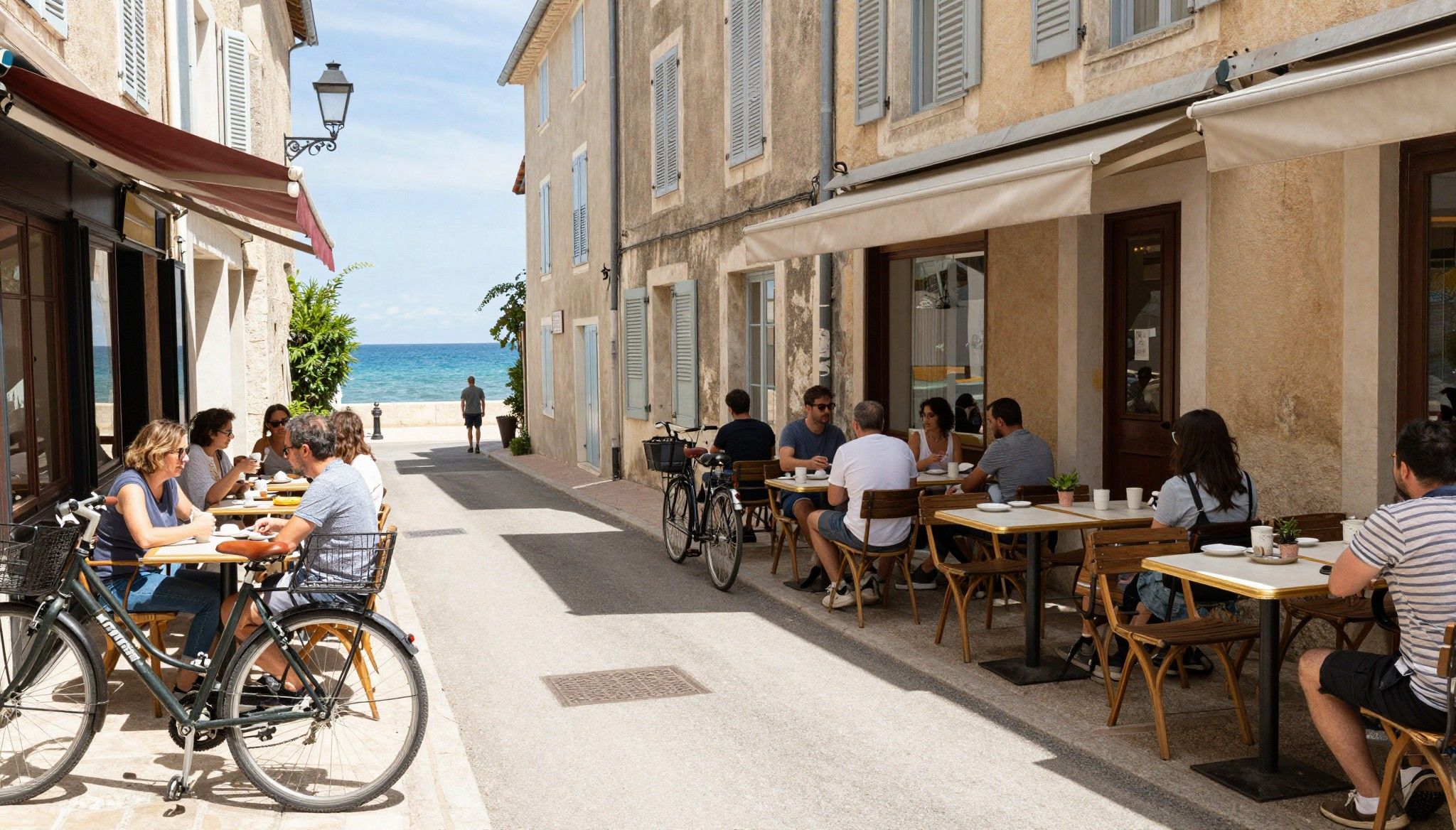
 The Yieldist

